Is Oman safe to travel? The current situation in October 2026
By Lars Janssen · Co-Founder & CEO ·
Updated
Short answer
Yes, with two caveats. No European government issues a general travel warning for Oman; the United States is stricter and rates the country Level 3, Reconsider Travel. The Dutch and German governments advise against travel to the Musandam exclave on the Strait of Hormuz and the immediate border area with Yemen (as of 16 October 2026, unchanged since September); the UK FCDO does not advise against any region but warns about regional tensions. The classic destinations Muscat, Nizwa, Jebel Akhdar, the Wahiba Sands, Sur and Salalah lie outside those two areas and are routinely visited. Our tours only travel through these regions.
Official guidance (EN): UK FCDO: Oman travel advice. Always check your own government's advice as well.
What changed in 2026
Hostilities between the United States and Iran began on 28 February 2026 (State Department), and the security situation in the Gulf region has been tense ever since. Iran has attacked US-linked targets in several countries in the region, including Oman. In March, drones hit the ports of Duqm and Salalah (Ship & Bunker) and an industrial area near Sohar, where two foreign workers were killed on 13 March (Al Jazeera). We are not aware of any attacks in Muscat or at tourist sights. Governments warn that airspace may close at short notice, so flights can be cancelled or rerouted. Oman itself has long been regarded as a neutral mediator in the region, daily life continues as normal, and the tourist regions are not covered by the warnings. Musandam, because of its position on the Strait of Hormuz, is the exception.
Update 16 October 2026: the advice is unchanged. We checked the official sources again on 16 October 2026. The UK FCDO advice was last updated on 22 July 2026; it does not advise against travel to Oman or to any part of the country. The Dutch advice was last changed on 8 September 2026 and is confirmed as still valid on 16 October 2026: yellow for Oman as a whole, orange for Musandam and the border area with Yemen. The German Foreign Office advice has been unchanged since 4 September 2026 (only editorial changes since then, as the page itself states): no travel warning and no partial travel warning, but travel to Musandam and the immediate border region with Yemen is advised against. The advice has not changed, but things have become more unsettled at sea since our previous check. On 11 October a small tanker was hit by a drone off the coast of Sohar; two crew members are missing. Iran is suspected, but this has not been confirmed (Maritime Executive). In the week to 13 October, at least twelve tankers were attacked in and around the Strait of Hormuz (The National). These are attacks on ships, and they show that the situation remains unpredictable.
What the governments describe is a region that has calmed down but not settled. According to the FCDO, the United States and Iran announced a memorandum of understanding on 17 June 2026, yet since 8 July there have been strikes and retaliatory attacks by Iran at several locations across the region, including Oman, against US military and civilian infrastructure, and the FCDO sees a risk of further attacks and unforeseen escalation. The Dutch ministry sums the situation up as stabilised but still unpredictable, and notes that recent attacks were mainly aimed at US sites, with energy facilities and other infrastructure in the region also hit. The German Foreign Office paints the same picture: a volatile regional situation, continued military strikes after the June declaration, and a persisting risk of airspace closures, also for Oman. Austria's foreign ministry has rated Musandam and the Yemen border area at its level 3 of 4 (non-essential travel advised against) since 19 August 2026, with the rest of the country at level 2. None of these sources names Salalah or the Dhofar region as a whole; only the immediate border zone with Yemen is affected.
| Government | Oman as a whole | Musandam and the Yemen border area | Advice last changed |
|---|---|---|---|
| UK FCDO | No advice against travel | Not singled out; general warning about regional tensions | 22 July 2026, still current at 9 October 2026 |
| Netherlands (Ministry of Foreign Affairs) | Yellow: travel is possible, but there are particular security risks | Orange: only travel if necessary, not for holidays | 8 September 2026, still valid on 16 October 2026 |
| Germany (Federal Foreign Office) | No travel warning or partial travel warning | Travel advised against | 4 September 2026, confirmed on 16 October 2026 |
| Austria (BMEIA) | Level 2 of 4: security risk noted | Level 3 of 4: non-essential travel advised against, since 19 August 2026 | 29 September 2026, confirmed on 9 October 2026 |
| United States (State Department) | Level 3 of 4: Reconsider Travel, citing armed conflict and terrorism | Level 4: Do Not Travel to the Yemen border area; Musandam not singled out | 30 August 2026 |
The United States is the strictest of the governments we follow. Since the hostilities between the United States and Iran began on 28 February 2026, the State Department has rated Oman Level 3, Reconsider Travel, with Level 4, Do Not Travel, for the Yemen border area; in March 2026 it ordered non-emergency embassy staff and their families to leave Oman, and the latest revision of 30 August 2026 allows family members to join staff again (US Embassy Muscat). If you travel on a US passport, weigh that advice and enrol in the Smart Traveler Enrollment Program.
For you as a traveller this means: check official advice before booking and shortly before departure, leave Musandam out for now, choose flights with flexible rebooking terms, sign up for your foreign ministry's e-mail alerts and register your trip with your own foreign ministry where possible.
Facts about safety in Oman
- No European travel warning: none of the European governments we follow has a travel warning for Oman as a whole (status 16 October 2026); their advice concerns two areas only. The United States rates the whole country Level 3, Reconsider Travel.
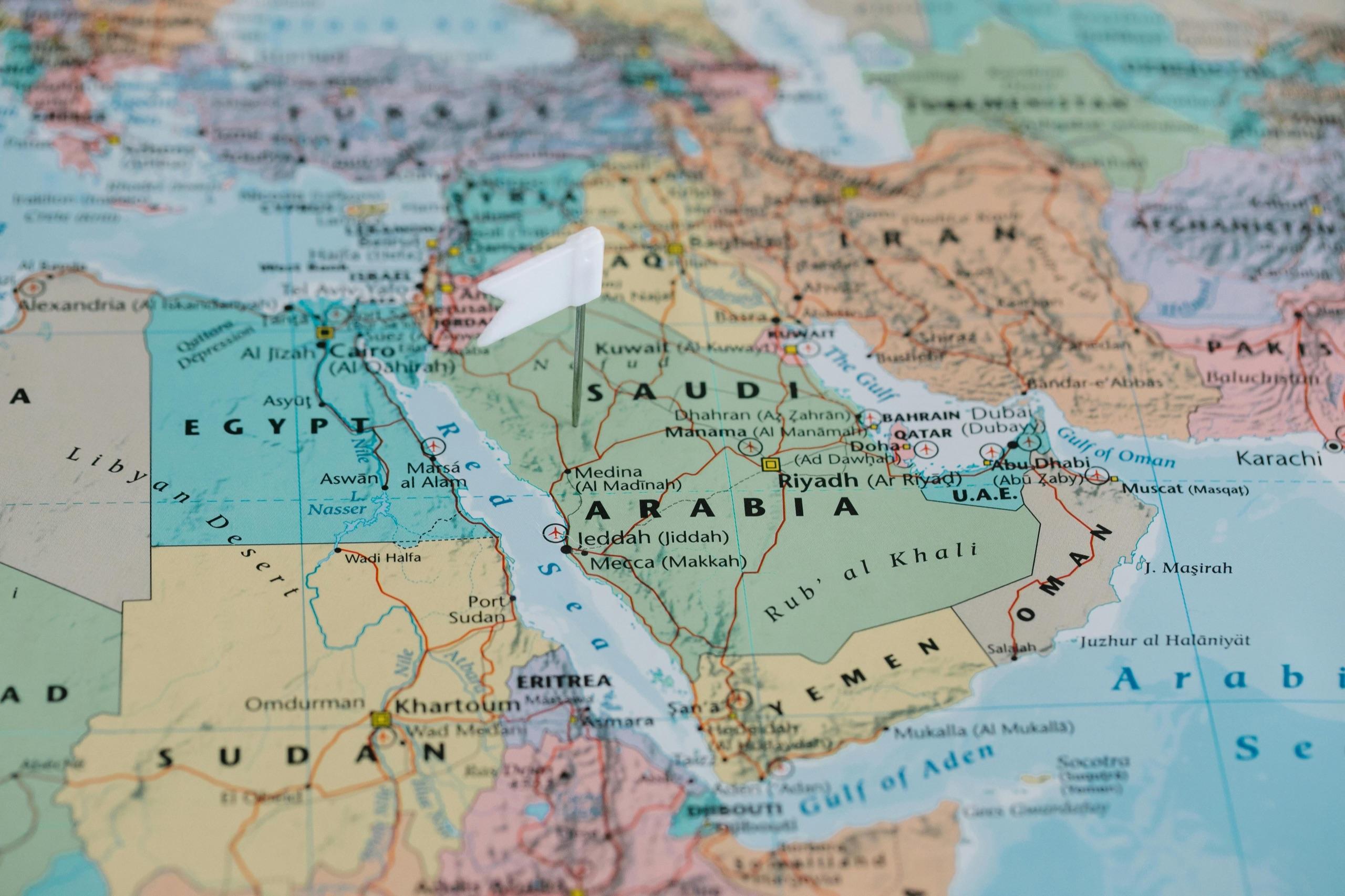
- Musandam: the Dutch, German and Austrian governments currently advise against travel to the exclave on the Strait of Hormuz, a shipping lane where missile and drone attacks occur regularly according to the Dutch advice. We only plan it again once the advice allows.
- Yemen border area: travel to the immediate border area is advised against. Salalah itself lies about 150 kilometres from the border and is not covered by that advice, although drones hit the port of Salalah several times in March 2026.
- At sea: ships are attacked regularly around the Strait of Hormuz and off Oman's north coast, including a tanker off Sohar on 11 October 2026.
- Airspace and flights: all the governments we follow warn that airspace in the region can close at short notice, with cancelled or rerouted flights as a result. Keep in touch with your airline and choose tickets you can rebook.
- Terrorism: the Dutch advice sees no acute terrorist threat; the FCDO states that attacks cannot be ruled out, including in places visited by foreigners. Stay alert in large crowds, as you would anywhere.
- Low crime: the crime rate and the risk of violent crime are very low; petty theft does occur at busy tourist spots, so normal travel common sense is sufficient.
- Political stability: Oman is known for predictable, low-tension, neutral diplomacy in the Gulf.
- Popular routes: Muscat, Nizwa, Jebel Akhdar, the Wahiba Sands, Wadi Shab, Ras al Jinz and Salalah are normally accessible to visitors.
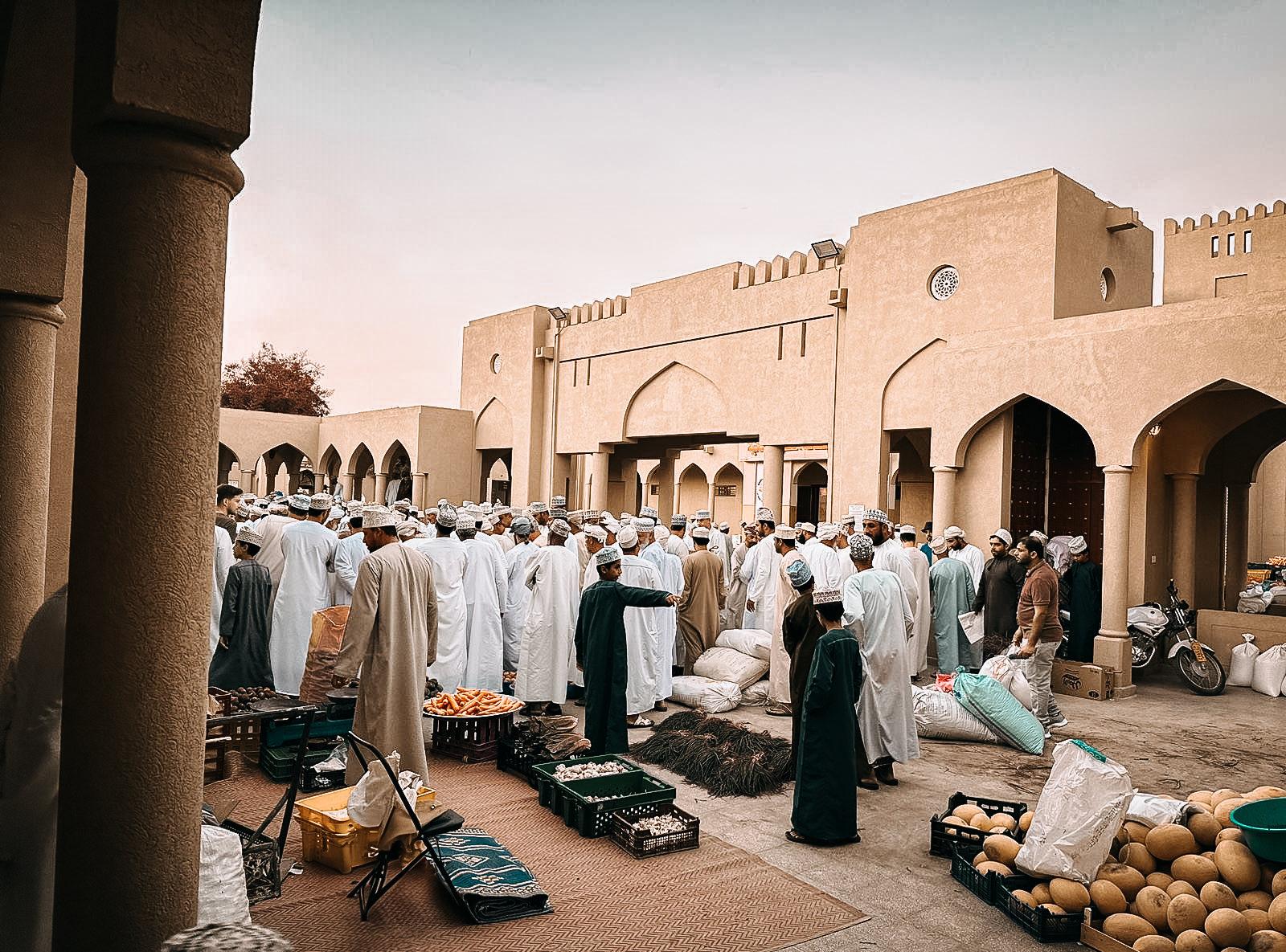
First-hand assessment
"We travel in Oman regularly and host our guests on the ground together with our local partner. The atmosphere is calm, safe and exceptionally hospitable.", Team at GoTravelOman.com · Sister sites: urlauboman.de, omanreis.nl
We monitor official travel advice continuously and inform our guests before departure if anything changes. If a route needs adjusting, we do it together with you.

How this fits into our tours
All our tours, from the 10-day tour to a fully tailor-made Oman tour, stay within the classic regions Muscat, Nizwa, Jebel Akhdar, the Wahiba Sands, Sur and Salalah, all of which lie outside the two areas governments advise against. Musandam is not part of any itinerary at the moment; we only plan it again once the official advice allows it.
We follow the official travel advice continuously and inform you before departure if anything relevant changes. If you would prefer to adjust your route, or want extra flexibility around your flights, we work that out together with you. This article is where we keep the current official guidance together; check it before booking and again shortly before you leave, alongside the advice of your own government.
Practical tips for your trip
- Check the latest official travel advice and your own government's guidance before booking and shortly before departure.
- Leave Musandam and the Yemen border area out for now; the rest of the country offers more than enough for two weeks.
- Stay away from security and military facilities and from critical infrastructure such as oil and gas installations, follow the instructions of the local authorities and keep an eye on the news, including updates about airports and airspace.
- Register your trip with your foreign ministry if it offers that, sign up for its e-mail alerts, and save your embassy's number in Muscat.
- Keep your phone and a power bank fully charged, so you stay reachable if plans change.
- Take out travel insurance with medical, repatriation and trip-interruption cover and choose flights with flexible rebooking terms. Ask your insurer how areas under a travel advisory are covered: the Dutch ministry notes that many insurers limit cover for orange or red areas.
- From October to March, wadis can flood suddenly after heavy rain. Skip wadi hikes when heavy rain is forecast and for at least a day afterwards, and only drive desert or mountain routes in a well-equipped 4x4 with enough water and a working phone.
- Respect local customs (dress codes, Ramadan etiquette), it improves safety and experience.
- Oman's nationwide emergency number: 9999.
Conclusion
Oman is welcoming and open to travellers: no European government warns against travel to the country as a whole, and the classic destinations lie outside the two areas they advise against. The region remains unsettled and unpredictable, so keep an eye on official advice right up to departure. None of the official advice we follow has changed since September (checked 16 October 2026). With a thoughtful route, attention to official advice and local expertise, you can travel comfortably across the country. We're happy to design a tailor-made itinerary for you.
*Last checked on 16 October 2026 against the UK FCDO advice (updated 22 July 2026), the Dutch government advice (last changed 8 September 2026, still valid on 16 October 2026) and the German Federal Foreign Office advice (unchanged since 4 September 2026); the Austrian advice and the US State Department advisory (revised 30 August 2026) on 10 October 2026.*
➤ Free trip planning call | GoTravelOman.com Sister sites: urlauboman.de · omanreis.nl