Best time to visit Oman: the weather month by month
By Lars Janssen · Co-Founder & CEO ·
Updated
The best time to visit Oman is October to April, and the weather is most comfortable from November to March: Muscat sees 25 to 30 °C by day, the Jebel Akhdar plateau 15 to 20 °C, and rain is rare. From May to September the north reaches 36 to 44 °C, while Salalah in the south turns green and cooler in July and August during the khareef. Below you will find Oman's weather month by month and by region, based on climate data from Oman's meteorological service.
Short answer: the best time to visit Oman by type of trip
For a tour of the north, choose November to March. For the green khareef in Salalah, choose July and August. For what to see once you are there, see our guide to things to do in Oman.
| Type of trip | Best months | Why |
|---|---|---|
| Tour of the north | November to March | Muscat 25 to 30 °C, Nizwa 26 to 33 °C |
| Mountain hiking | October to April | 15 to 24 °C by day at almost 2,000 metres |
| Desert camp in the Wahiba Sands | November to March | warm days, cool nights |
| Beach and snorkelling | October to April | sea 23 to 29 °C |
| Green Salalah | July and August | khareef: 27 to 29 °C, mist and drizzle |
| Salalah sun and beach | October to April | 27 to 32 °C and dry |
October and April work too, but the interior already reaches 37 to 38 °C. In summer a full tour is hard going, so focus on the mountains and Salalah. For Fahrenheit: 25 °C is 77 °F, 30 °C is 86 °F and 40 °C is 104 °F.
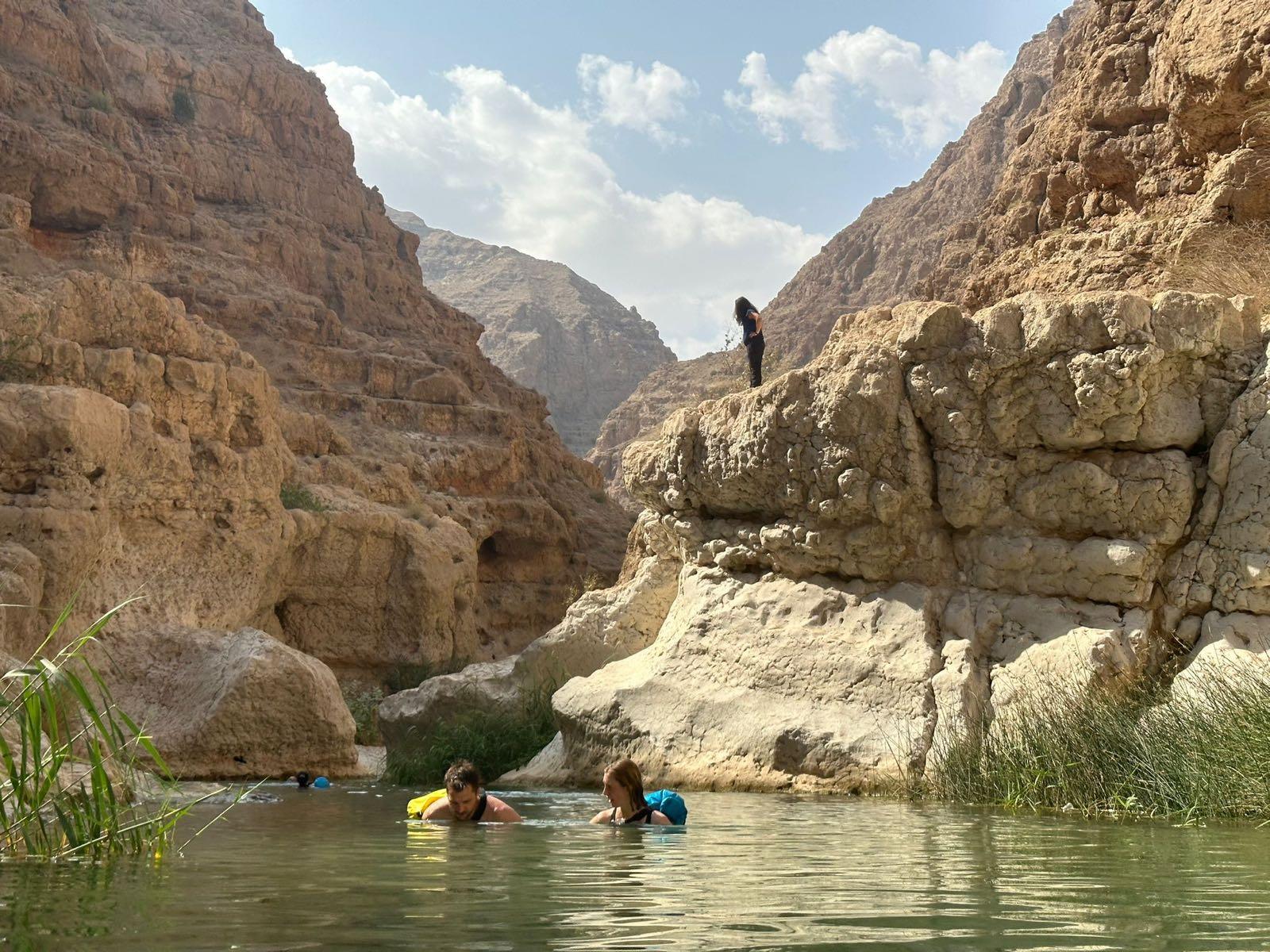
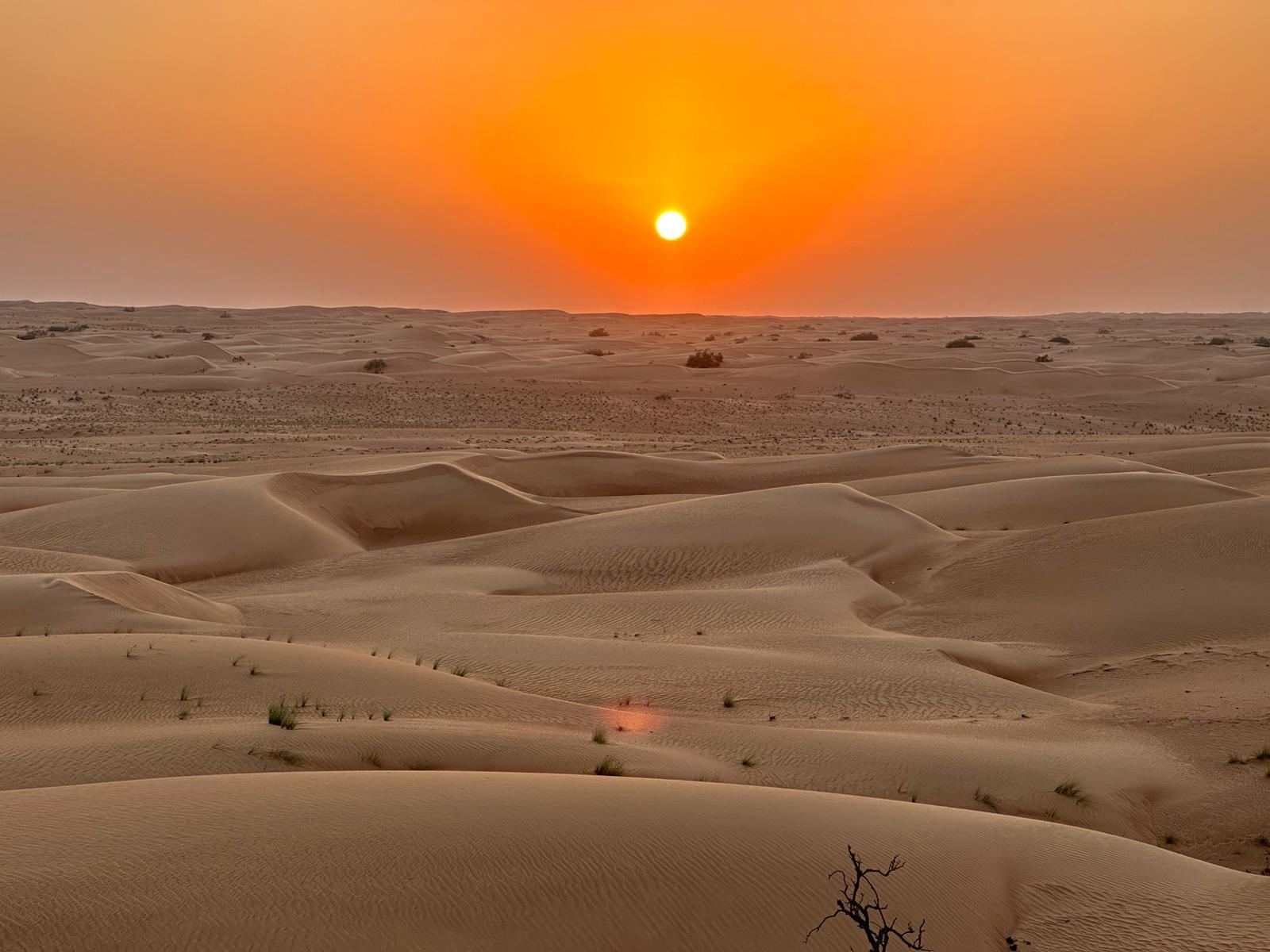
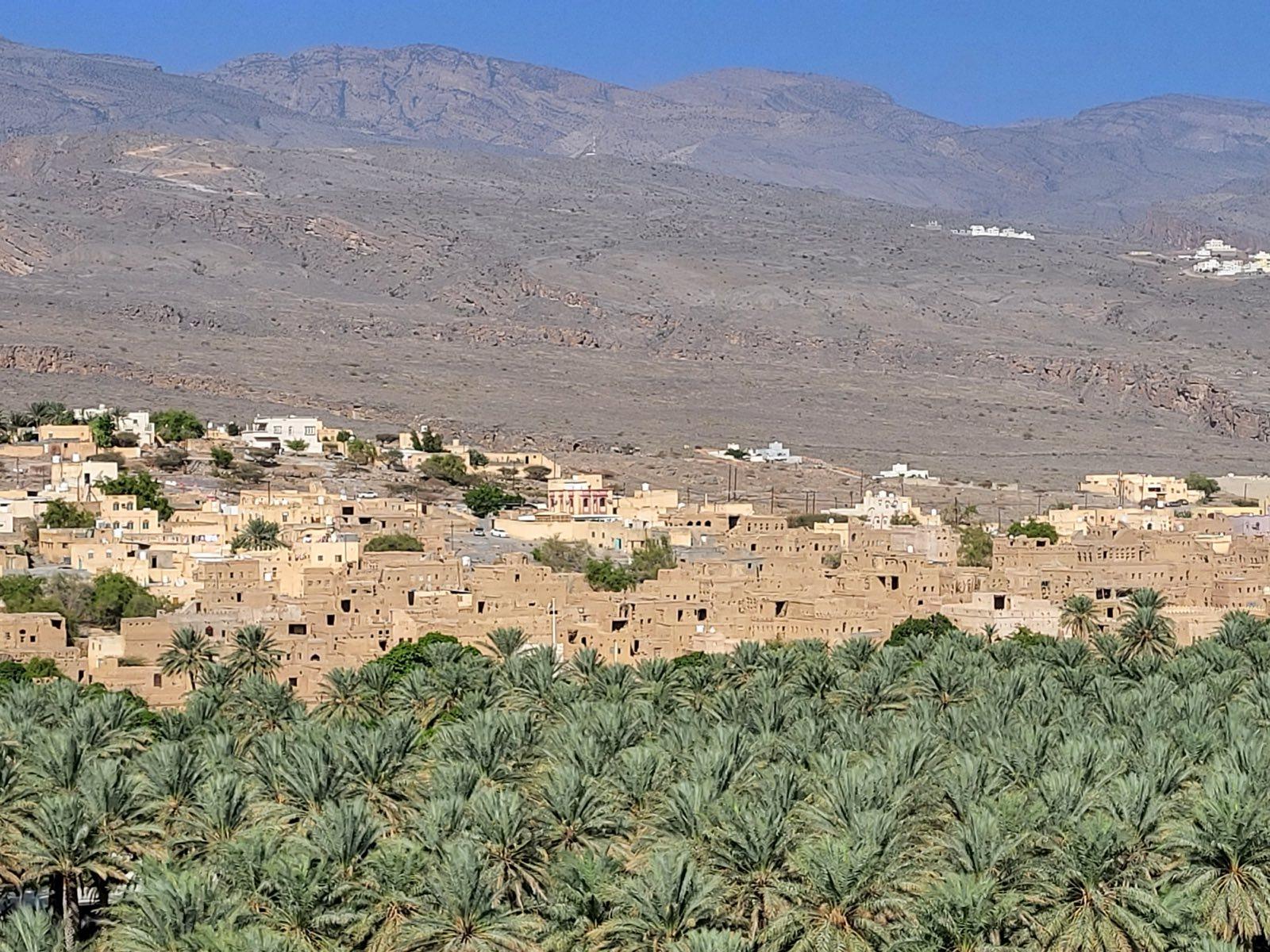
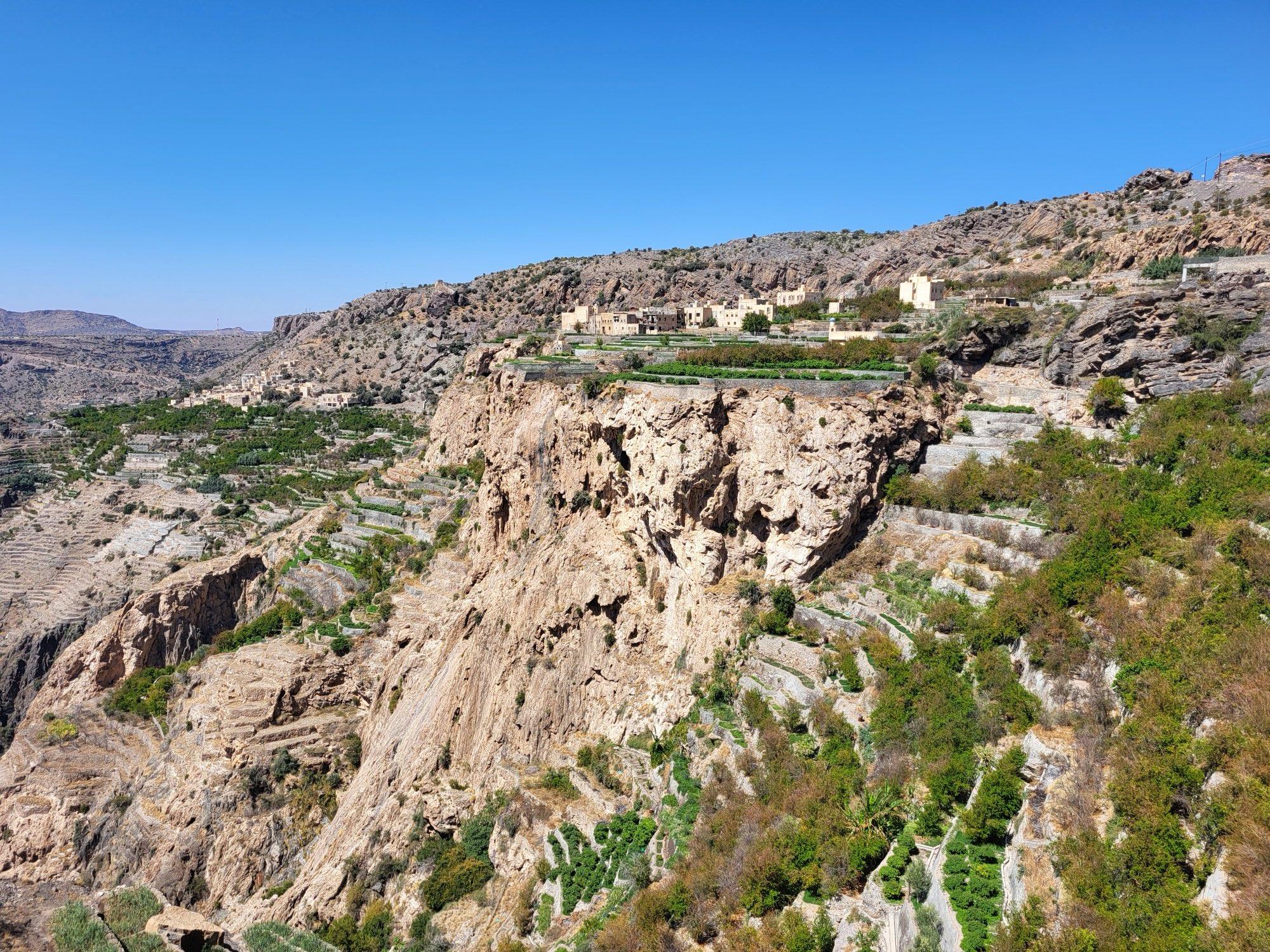
Oman's climate zones: coast, interior, mountains, desert and south
Oman has no single climate: on the same day the interior, the high plateau and the south can differ by 10 to 15 degrees.
The coast: Muscat and Sur
The weather in Muscat from November to March is 25 to 30 °C by day and 17 to 21 °C at night. In May and June the average high is 40 °C, and high humidity makes the summer sticky. Sur is even hotter in June, at 42 °C.
The interior: Nizwa and the oases
Around Nizwa the climate is dry, with big swings between day and night: 26 °C by day and 12 °C at night in January, an average high of 44 °C in June. October and April already reach 37 to 38 °C here, so visit forts and souks in the morning.
The mountains: Jebel Akhdar and Jebel Shams
On the Jebel Akhdar plateau, at almost 2,000 metres, January brings 15 °C by day and 5 °C at night, July 31 °C: around 10 to 12 degrees cooler than Nizwa. Jebel Shams can freeze in winter: in January 2026 Oman's weather service recorded minus 2.2 °C there. The mountains get more than three times as much rain as Muscat, mostly in thunderstorms in July and August.
The desert: Wahiba Sands
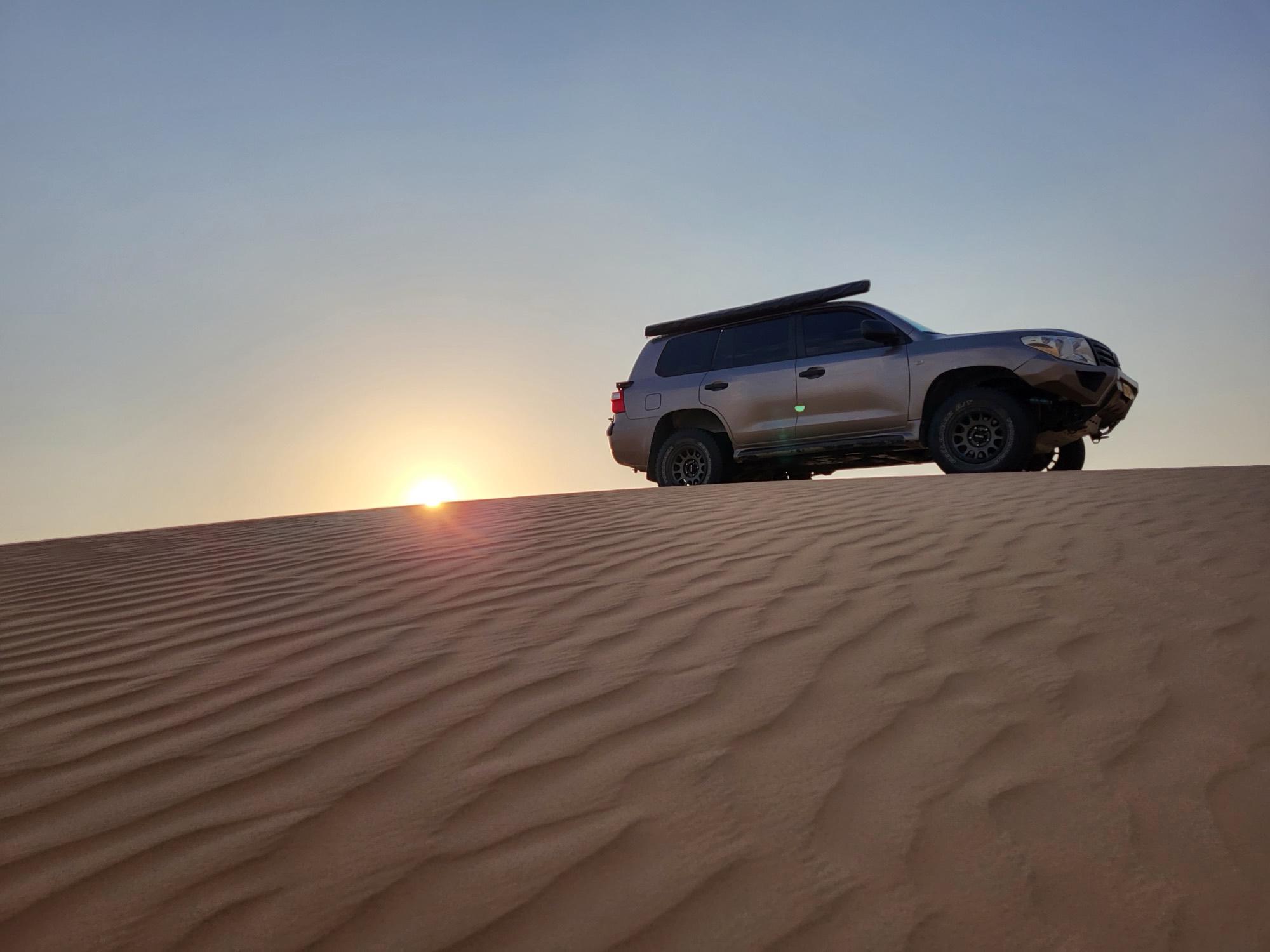
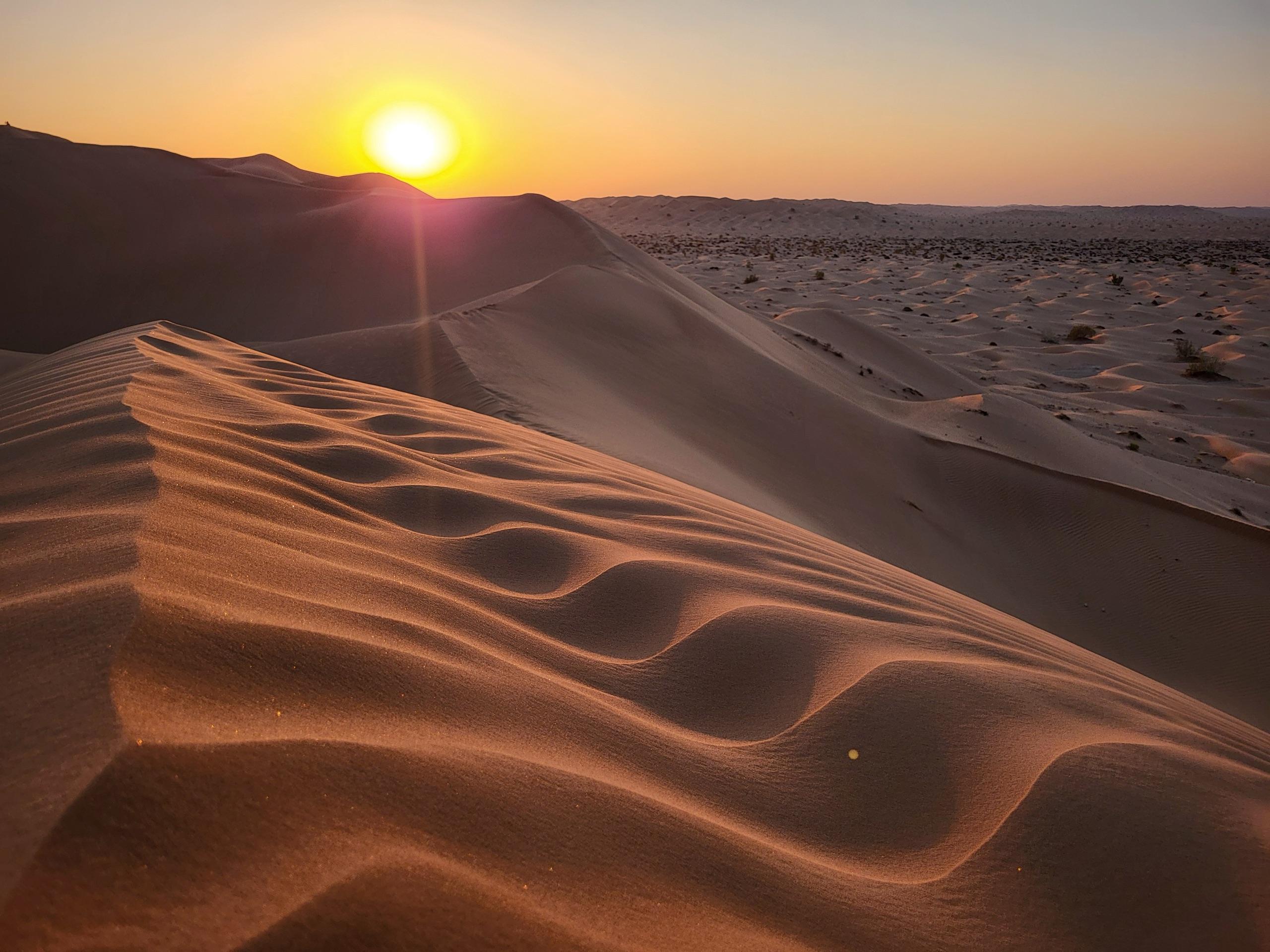
In the Wahiba Sands it is 23 to 30 °C by day from November to March (Ibra weather station, north-west of the dunes). In December and January the dunes cool to around 10 °C at night. In summer it tops 40 °C and many camps close. For what a night in a camp is like, see desert nights in Oman.
The south: Salalah and Dhofar
Salalah lies in the far south on the Arabian Sea, about 1,000 kilometres by road or a 90-minute flight from Muscat. In winter it is 27 to 31 °C and dry, while in summer the khareef brings mist, drizzle and green slopes.
Rain, wadis and storms
Rain is rare but can be heavy: Muscat averages 90 millimetres a year over 13 rainy days. A downpour in the mountains can quickly flood a wadi, and the UK Foreign Office (FCDO) says wadis are prone to flash flooding after heavy rain from October to March (as of October 2026). Never drive through flowing water. Cyclones are rare but have hit Oman, including Gonu in June 2007, Mekunu near Salalah in May 2018 and Shaheen in October 2021.
Oman weather by month: climate table
January is the coolest month, June the hottest, and Muscat gets most of its rain from December to April. The table gives the average daily highs and lows per month in three climate zones, with sea temperature and rainy days.
| Month | Muscat high/low | Nizwa high/low | Jebel Akhdar high/low | Sea | Rainy days Muscat | Good for |
|---|---|---|---|---|---|---|
| January | 25 / 17 °C | 26 / 12 °C | 15 / 5 °C | 24 °C | 3.2 | touring, desert, hiking |
| February | 26 / 18 °C | 30 / 14 °C | 18 / 7 °C | 23 °C | 2.7 | touring, desert, hiking |
| March | 30 / 20 °C | 33 / 17 °C | 20 / 10 °C | 24 °C | 1.9 | touring, hiking, roses (late March) |
| April | 35 / 24 °C | 38 / 22 °C | 24 / 14 °C | 27 °C | 1.4 | touring with early starts, mountains, snorkelling |
| May | 40 / 29 °C | 42 / 26 °C | 29 / 18 °C | 30 °C | 0.1 | mountains, snorkelling |
| June | 40 / 30 °C | 44 / 28 °C | 31 / 20 °C | 31 °C | 0.1 | mountains |
| July | 38 / 30 °C | 43 / 28 °C | 31 / 21 °C | 31 °C | 0.3 | Salalah, mountains |
| August | 36 / 28 °C | 42 / 27 °C | 30 / 20 °C | 30 °C | 0.6 | Salalah, mountains |
| September | 36 / 27 °C | 40 / 25 °C | 28 / 17 °C | 30 °C | 0 | Salalah, mountains |
| October | 35 / 24 °C | 37 / 21 °C | 24 / 13 °C | 29 °C | 0.2 | touring with early starts, beach, snorkelling |
| November | 30 / 21 °C | 32 / 18 °C | 20 / 9 °C | 28 °C | 0.7 | touring, beach, desert |
| December | 27 / 18 °C | 28 / 14 °C | 17 / 6 °C | 25 °C | 1.4 | touring, desert, beach |
Source: monthly averages from Oman's meteorological service via the WMO World Weather Information Service: Muscat (Seeb) 1986 to 2009, Nizwa 1999 to 2009, Saiq on Jebel Akhdar 1998 to 2009. Sea temperature: weather2travel (CRU, Met Office and KNMI), rounded.
Oman month by month: what to expect
The most comfortable months are November to March, the hottest May to September.
Oman in January
January is the coolest month in Oman: Muscat 25 °C by day and 17 °C at night, Nizwa 26 °C, the mountains 15 °C with a chance of frost at night. The coast has its most rainy days now, about three a month. It is ideal for a tour with hiking, though the first days of the month still fall in the busy Christmas holidays. Pack a warm layer for evenings in the mountains and the desert.
Oman in February
February weather in Oman is among the best of the year: Muscat 26 °C, Nizwa 30 °C, the mountains 18 °C with cold nights. At 23 °C the sea is at its coolest, though still fine for swimming. Ramadan is expected to start around 8 February 2027, and the section below explains what that means for your trip. February half term makes this a popular month, so enquire early.
Oman in March
In March Oman warms up: Muscat 30 °C, Nizwa 33 °C, the mountains 20 °C. Touring, wadis and hikes are still fine if you take the midday hours slowly. Ramadan is expected to run until about 9 March 2027, followed by Eid al-Fitr. From late March to around mid-April the roses bloom on Jebel Akhdar, a week earlier or later depending on the year.
Oman in April
April in Oman closes the season and is already warm: Muscat 35 °C, Nizwa 38 °C, the mountains 24 °C. At 27 °C the sea is ideal for snorkelling. Start your days around 7am and keep the middle of the day quiet. The Jebel Akhdar roses are still in bloom in the first half of the month. Over the Easter holidays, plan around the mountains and the sea.
Oman in May
May is the first summer month in Oman: Muscat 40 °C, Nizwa 42 °C, the sea 30 °C. A full tour is hard work now. What does work: a few nights on Jebel Akhdar (29 °C by day, 18 °C at night), snorkelling from Muscat and culture in the early morning. Few tourists travel now.
Oman in June
In June the interior is at its hottest: Nizwa averages a high of 44 °C, Muscat 40 °C and humid. The mountains stay bearable at 31 °C by day and 20 °C at night. The khareef season officially starts in Salalah on 21 June, after which the landscape turns green. We advise against a tour of the north in June.
Oman in July
In July Muscat is 38 °C and humid, Nizwa 43 °C. The best place to be is Salalah: thanks to the khareef it is 29 °C by day and 25 °C at night, with mist, drizzle and green slopes. It is busy with visitors from the Gulf states, though, and the sea is too rough for swimming. In the northern mountains it is 31 °C by day.
Oman in August
August is much like July: 36 to 42 °C in the north, 27 °C in Salalah with measurable rain, mostly drizzle, on eight days on average. It is Salalah's wettest month and Dhofar is at its greenest, with waterfalls in Wadi Darbat. Combine Salalah with nights on Jebel Akhdar or Jebel Shams for a summer trip that works.
Oman in September
In September the heat slowly eases: Muscat 36 °C, Nizwa 40 °C, the mountains 28 °C, the sea 30 °C. The khareef season officially ends on 21 September: Salalah stays green for a while longer and the sun returns. Still too hot for a tour of the north, but a fine, quiet month for Salalah and the mountains.
Oman in October
October weather in Oman is still warm as the season opens: 35 °C on the coast, 37 °C in Nizwa, 24 °C in the mountains. At 29 °C the sea is the warmest of the travel season, ideal for snorkelling, and it hardly rains. In early October Salalah is often still green, sunny again and quiet. Over October half term, plan tours with early starts and a quiet middle of the day.
Oman in November
November is one of the best months: Muscat 30 °C by day and 21 °C at night, Nizwa 32 °C, the mountains 20 °C and the sea still 28 °C. Wadis, desert, mountain hikes and beach days all work, and rain is rare. That makes November popular, so enquire in good time.
Oman in December
December weather in Oman is mild: Muscat 27 °C by day and 18 °C at night, Nizwa 28 °C, the mountains 17 °C with cold nights, the sea 25 °C. Christmas and New Year are among the busiest weeks of the season: hotels and desert camps fill up first, so ideally enquire in the summer.
The khareef in Salalah: June to September
The khareef is the south-west monsoon that wraps Dhofar in mist and drizzle. The official khareef season runs from 21 June to 21 September, and it is greenest in July and August, when Salalah sees 27 to 29 °C while the north sits above 40 °C.
Measurable rain falls in Salalah on seven to eight days a month in July and August, mostly as drizzle, but cloud clings to the mountains above the town almost constantly. The sea is rough, the mountain roads are often in fog and it is high season for visitors from the Gulf states. Late September and early October are quieter and often still green.
| Period in Salalah | Day | Night | Rainy days per month | Character |
|---|---|---|---|---|
| November to February | 27 to 31 °C | 19 to 22 °C | fewer than 2 | dry, sunny, beach weather |
| March to June | 30 to 33 °C | 22 to 27 °C | 0 to 3 | hot, the khareef starts in late June |
| July and August | 27 to 29 °C | 24 to 25 °C | 7 to 8 | mist, drizzle, green |
| September and October | 29 to 31 °C | 23 to 24 °C | 0 to 3 | still green, the sun returns |
Source: WMO World Weather Information Service, Salalah station (1986 to 2009). For Salalah's weather month by month, with sunshine hours, see our guide to Salalah and the khareef.
Summer in Oman: how hot it gets and what still works
From May to September Muscat sees 36 to 40 °C with high humidity, the interior 40 to 44 °C. A full tour is hard going then, but this works:
- The mountains. At around 2,000 metres, on Jebel Akhdar and at Jebel Shams, it is 28 to 31 °C by day and 17 to 21 °C at night.
- Salalah in the khareef. 27 to 29 °C in July and August, green and with waterfalls.
- Muscat early and late. Snorkelling in the morning, the Muttrah souk after sunset.
- Turtles at Ras al Jinz. June to September is peak season, with visits in the evening or early morning.
Skip the desert, as many camps are closed. Take the heat seriously: drink plenty and stay in the shade between 11am and 4pm.
Ramadan 2027: what it means for your trip
Ramadan 2027 is expected to run from about 8 February to 9 March, depending on the sighting of the moon. You can travel normally, with a few adjustments.
Muslims fast from dawn to sunset. As a visitor, do not eat, drink, smoke or chew gum in public during the day, including in your car, as the FCDO advises (as of October 2026). Hotels generally still serve food during the day, sometimes behind a screen or in a separate room. Shops and sights often keep shorter hours, and life picks up after sunset with iftar, the meal that breaks the fast. If you travel with a driver-guide, he may be fasting himself, so shorter days suit everyone. Eid al-Fitr follows, expected on 9 or 10 March, with public holidays when many Omanis travel themselves.
How this fits into our tours
Our sample tours of 7, 10, 14 and 18 days work best in the October to April season. Here is how to choose by period:
- November to March. The 10-day Oman tour takes in Muscat, Wadi Tiwi, Sur and the Wahiba Sands, Jebel Akhdar, Nizwa and Jebel Shams, and ends with snorkelling at the Daymaniyat Islands.
- North and south in winter. On the 14-day Oman tour you fly to Salalah on the evening of day 10, when it is 27 to 31 °C and dry there.
- October or April. The same routes, with early starts and a quiet middle of the day.
- Summer. A tailor-made route works better: Muscat, nights in the mountains and the khareef in Salalah.
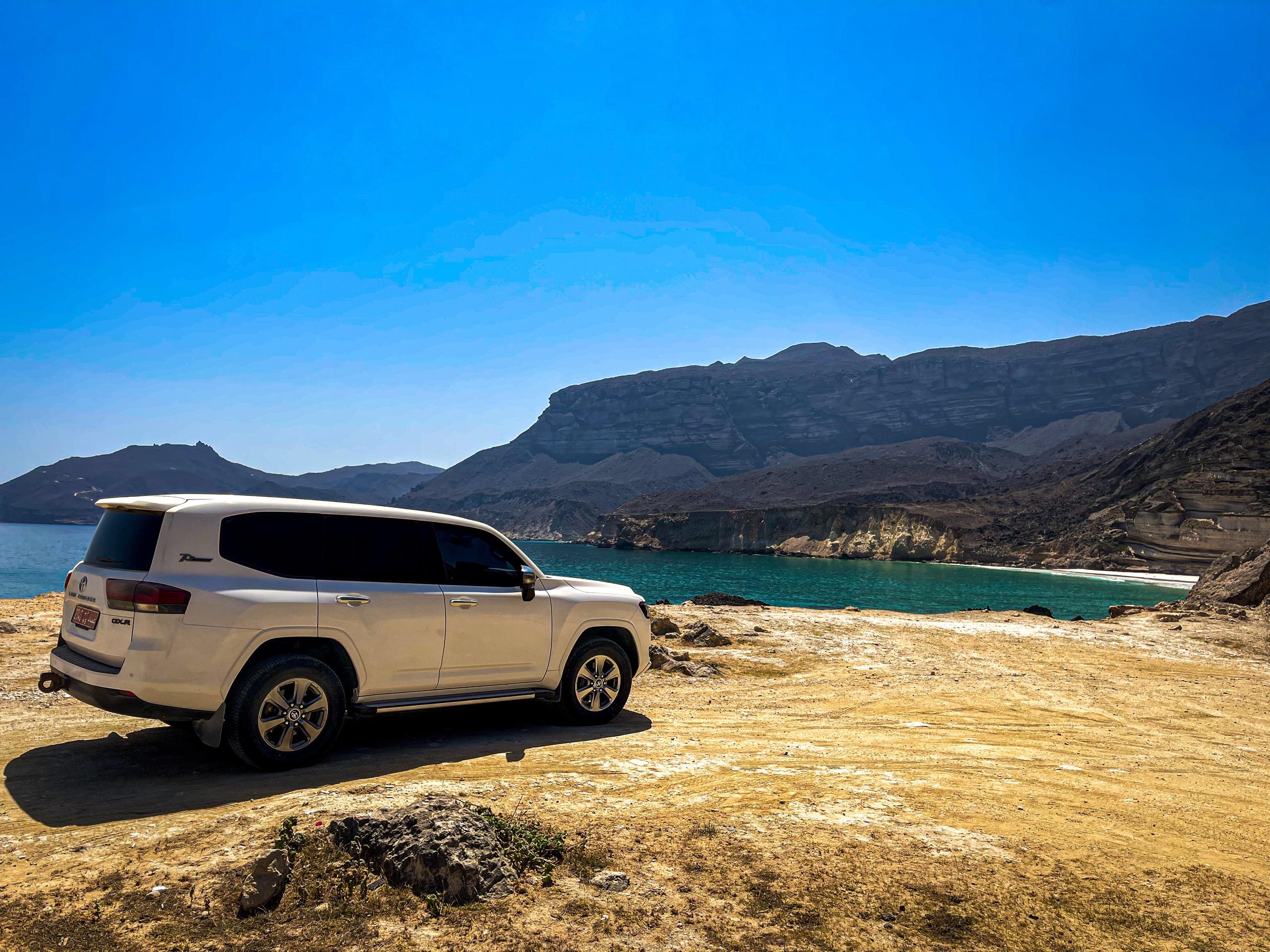
On a self-drive tour you get an insured 4x4 and a day-by-day programme with routes and driving times. The 4x4 matters, because only four-wheel drives may go up to the Jebel Akhdar plateau. More on that in our Oman self-drive tour. Every route also works with an English-speaking Omani driver-guide. Prefer sun and sea with a few excursions? See Oman holidays. All routes and starting prices are on Oman tours.
Torn between two months? We travel in Oman regularly and work with a trusted local partner on the ground. In a free call about your tailor-made Oman tour we help you pick the right month.