Sur and Ras al Jinz: dhows, lighthouse and turtles
East coast · 2 hours 15 from Muscat
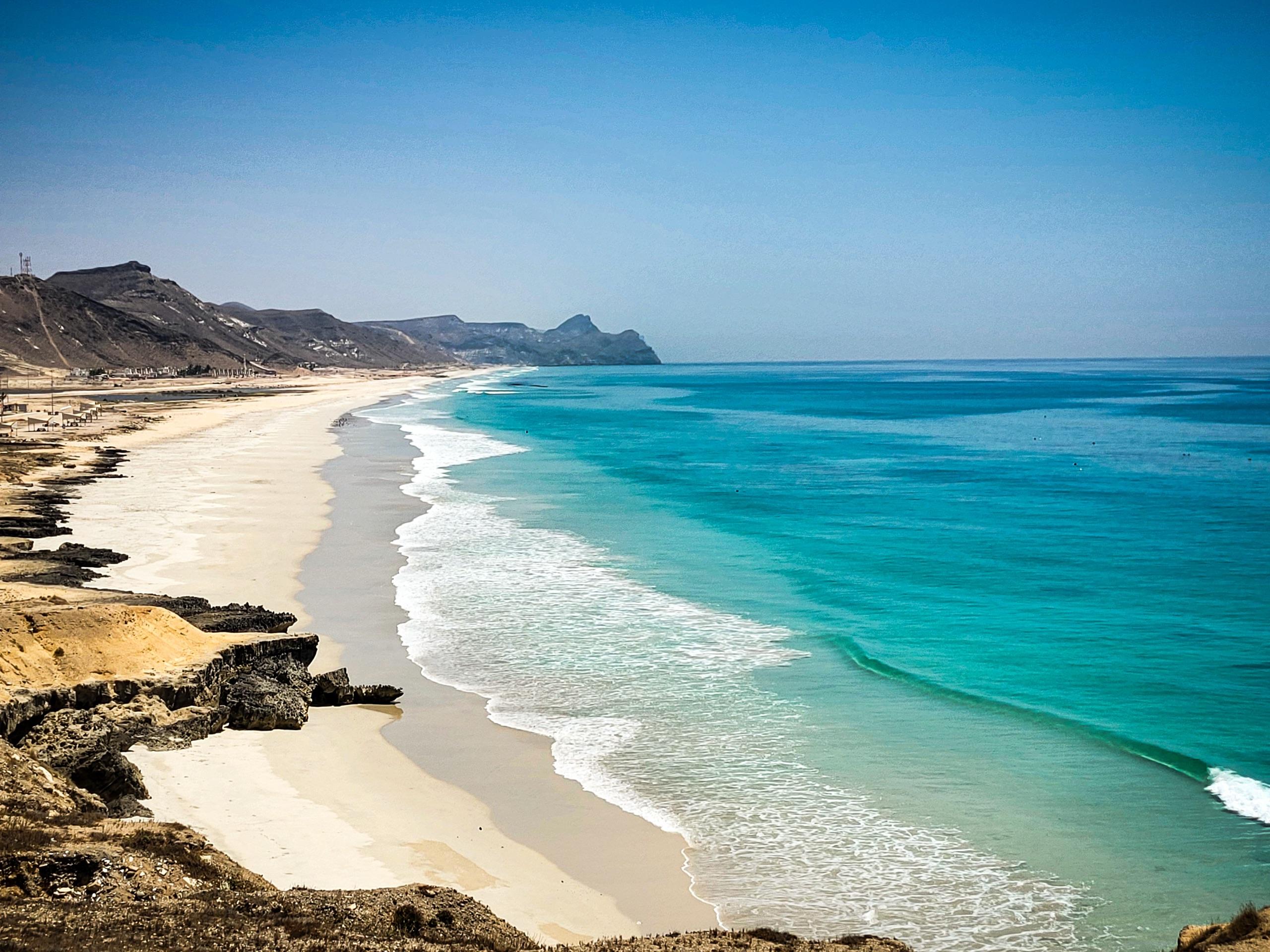
Sur is the historic seafaring town at the eastern tip of Oman, a good two hours from Muscat, where wooden ships are still built by hand in the country's last dhow yards. Forty-five minutes further lies Ras al Jinz, the protected beach where green sea turtles come ashore all year round to lay their eggs. Together they form the coastal section between the wadis of Tiwi and the dunes of the Wahiba Sands.
Compiled by Lars Janssen · updated October 2026
At a glance
- Region
- Ash Sharqiyah, eastern tip of Oman
- From Muscat
- approx. 200 km, 2 hours 15 on the coast road
- Best time
- October to April; turtles all year, peak June to September
- Length of stay
- 1 night, in Sur or at Ras al Jinz
- Ras al Jinz
- 45 minutes east of Sur
- Don't miss
- the turtle visit at dawn
Free consultation, reply within 24 hours
Why Sur and Ras al Jinz belong together
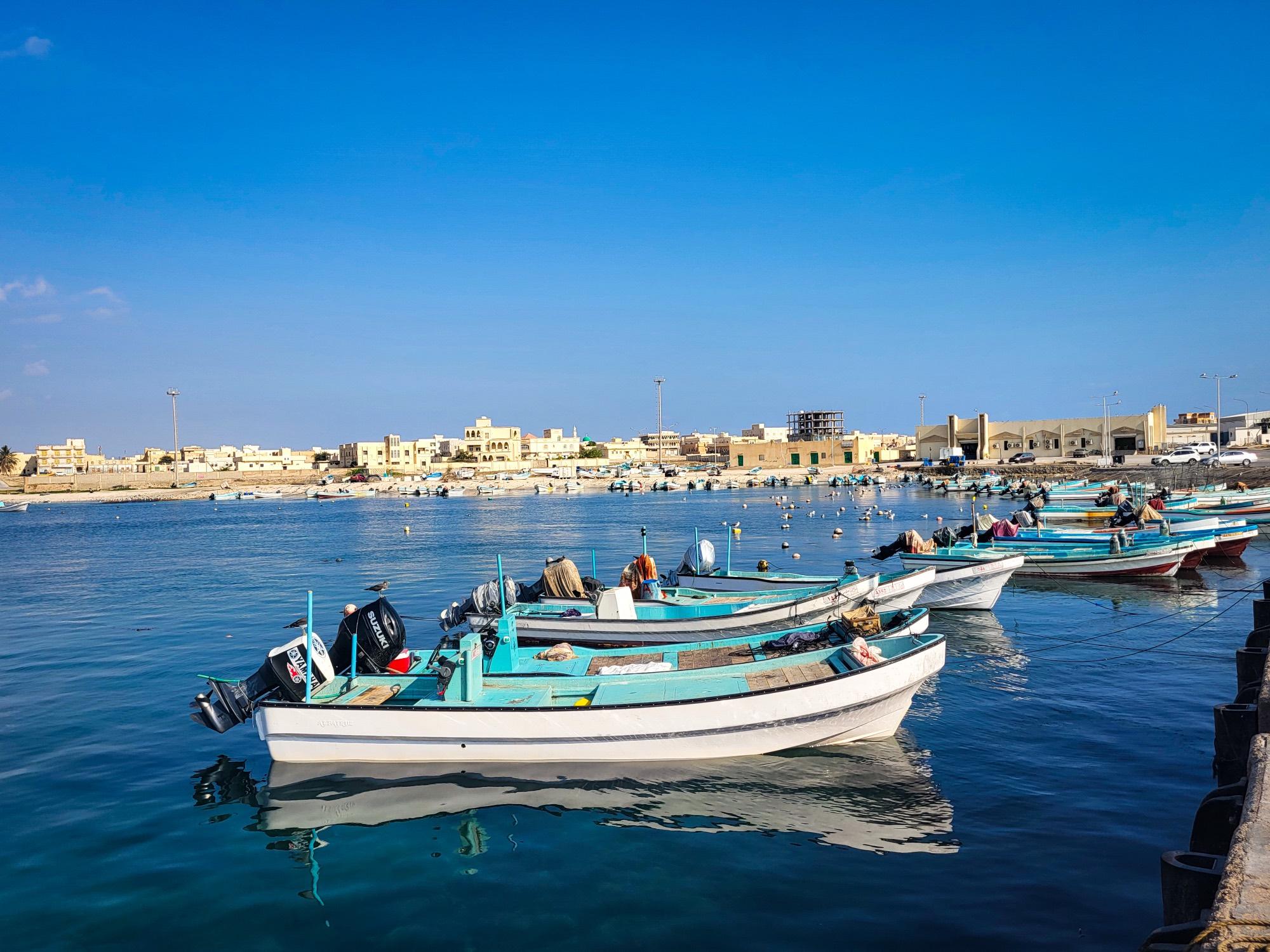
For centuries Sur was the port from which Oman sailed the Indian Ocean: to Zanzibar, India and the Persian Gulf. The dhows that made it possible are still built here, in the yard on the lagoon, without drawings and from Indian teak. It is one of the few places on the peninsula where the craft survives. Across from the yard lies Al Ayjah with its white lighthouse, and between them a lagoon where the boats lie tilted in the sand at low tide.
Forty-five minutes to the east, at the very tip of Oman, lies Ras al Jinz. On this beach green sea turtles come ashore to lay their eggs, every night of the year, dozens at a time in summer. The beach is protected and can only be visited with a reserve guide, late in the evening or just before sunrise. If you travel the coast of Oman, you combine the two: Sur by day, the turtles at night or at dawn.
What to do in Sur and at Ras al Jinz
- The dhow yard: on the lagoon in Sur, freely accessible. You walk among the hulls and watch the shipwrights at work. Go in the morning, when work is under way.
- Al Ayjah: the old fishing village across the lagoon, reached by the suspension bridge. The white lighthouse and the watchtowers give the finest view over Sur, especially at sunset.
- The Corniche and the museum ship: on the waterfront stands the Fatah Al Khair, a restored dhow built in 1951 that once sailed to Zanzibar.
- Ras al Jinz: the turtle reserve with its visitor centre. Guided beach visits are at nine in the evening and around half past four in the morning. The morning visit is quieter, often with late-departing turtles and sometimes hatchlings.
- Ras al Hadd: the fishing village on the cape where the Gulf of Oman meets the Arabian Sea, with a fort and empty beaches.
- On the way: Wadi Shab and Wadi Tiwi are an hour towards Muscat, the Wahiba Sands an hour and a half inland.
Practical information
Getting there. From Muscat along the coast road, a good two hours with the stops at Bimmah Sinkhole and Wadi Shab on the way. From the Wahiba Sands, an hour and a half. Ras al Jinz is forty-five minutes east of Sur on a good road.
The turtle visit. Only with a reserve guide, in small groups, without torches or flash. The evening visit starts at nine, the morning visit around half past four. Wear dark clothing and sturdy shoes; it is a fifteen-minute walk along the beach. Booking is required. On the 18-day tour the visit is part of the programme and the booking is included.
Season. Turtles come ashore all year, most from June to September when the coast is warm and humid. In the travel season from October to April there are fewer per night, but animals can be seen almost every night. More on seasons in the best time to visit Oman.
Behaviour. Stay behind the guide, do not touch the animals and photograph only when the guide allows it. A turtle that is disturbed returns to the sea without laying.
Combine with. Wadi Shab on the way there, the Wahiba Sands after Sur, and further south the empty coast towards the Sugar Dunes and Salalah.