Wahiba Sands: Oman's desert, two hours from Muscat
Sand desert in the east · 2 hours' drive from Muscat
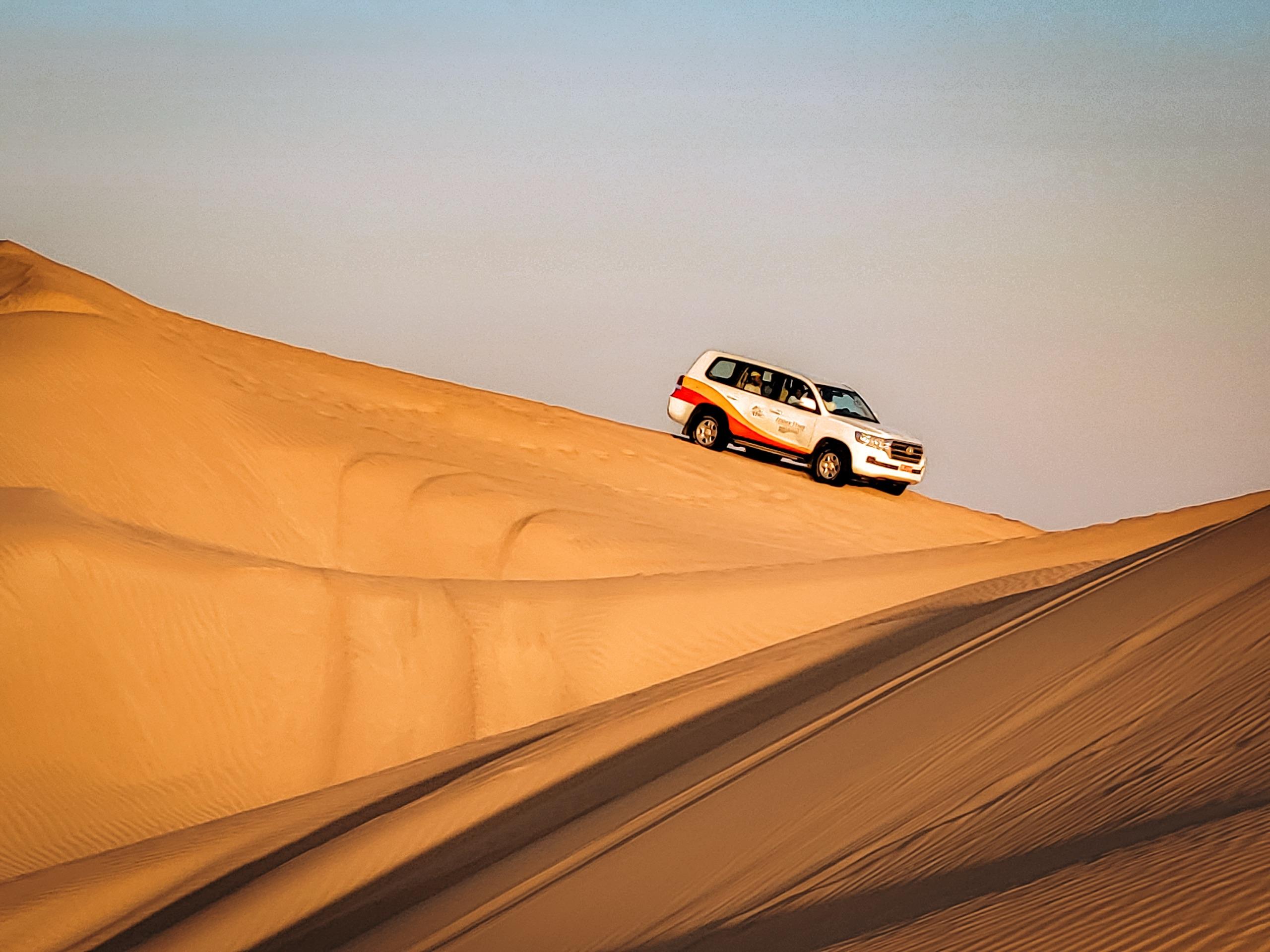
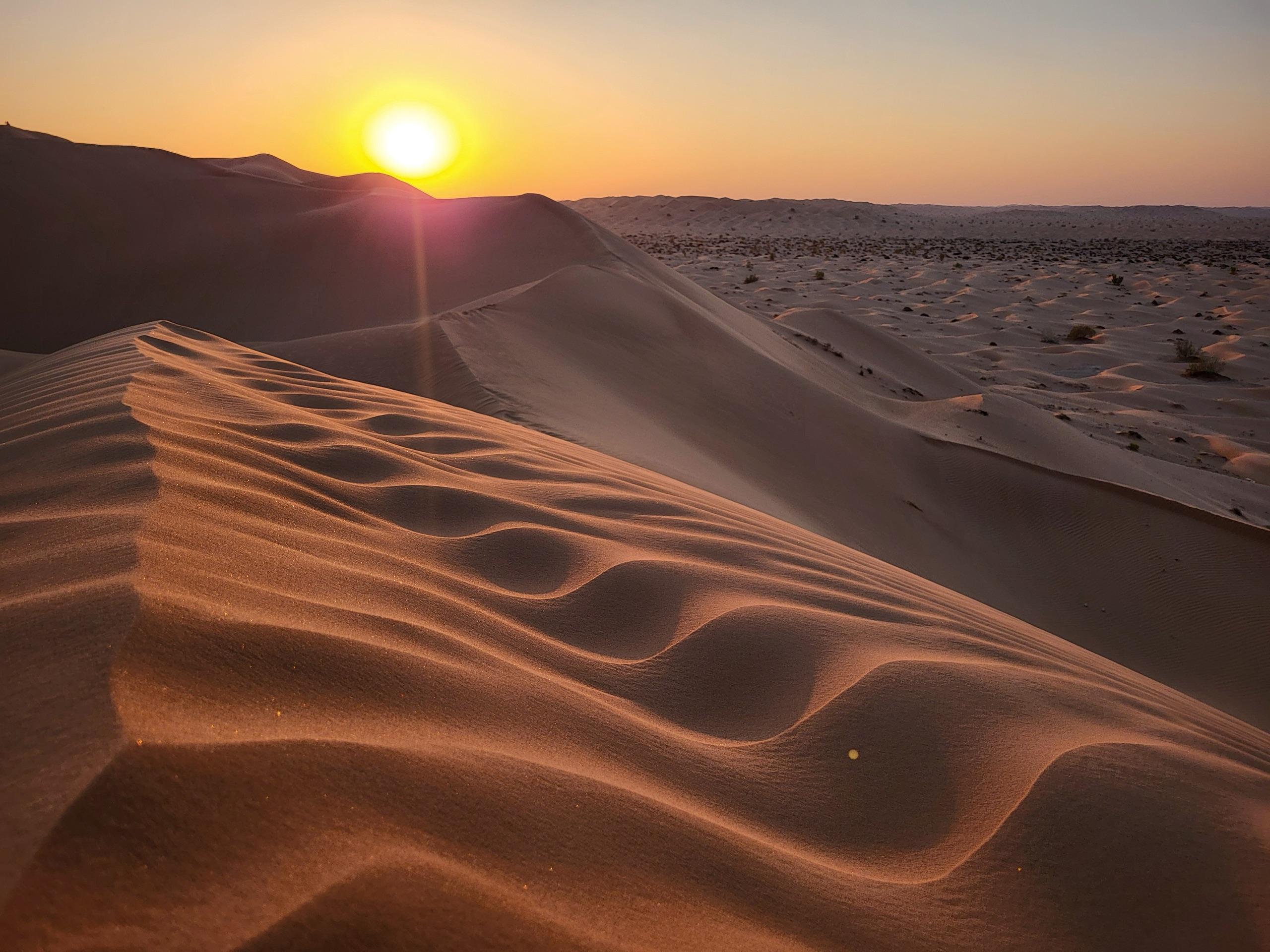
The Wahiba Sands, officially the Sharqiya Sands, are Oman's sand desert: a field of red-gold dunes about 180 kilometres long and 80 kilometres wide between the Hajar Mountains and the Arabian Sea. From Muscat you are there in two hours, which makes this the most accessible true desert on the peninsula. A night in a desert camp among the dunes is part of almost every tour, and for many travellers it is the moment that stays with them longest.
Compiled by Lars Janssen · updated September 2026
At a glance
- Region
- Ash Sharqiyah, eastern Oman
- From Muscat
- approx. 200 km, 2 hours; from Sur 1.5 hours
- Best time
- October to April
- Length of stay
- 1 night, 2 to slow down
- Size
- approx. 180 by 80 km, dunes up to 100 m
- Don't miss
- sunset from a dune crest
Free consultation, reply within 24 hours
Why the Wahiba Sands are on almost every itinerary
Oman has two great deserts. The Rub al Khali in the south is immense but remote; the Wahiba Sands lie two hours from the capital, which makes them the desert you can fit into any tour. The dunes begin abruptly: one moment you are on tarmac passing Bidiyah, the next the car is on soft tyres in the sand and the horizon is a rolling line.
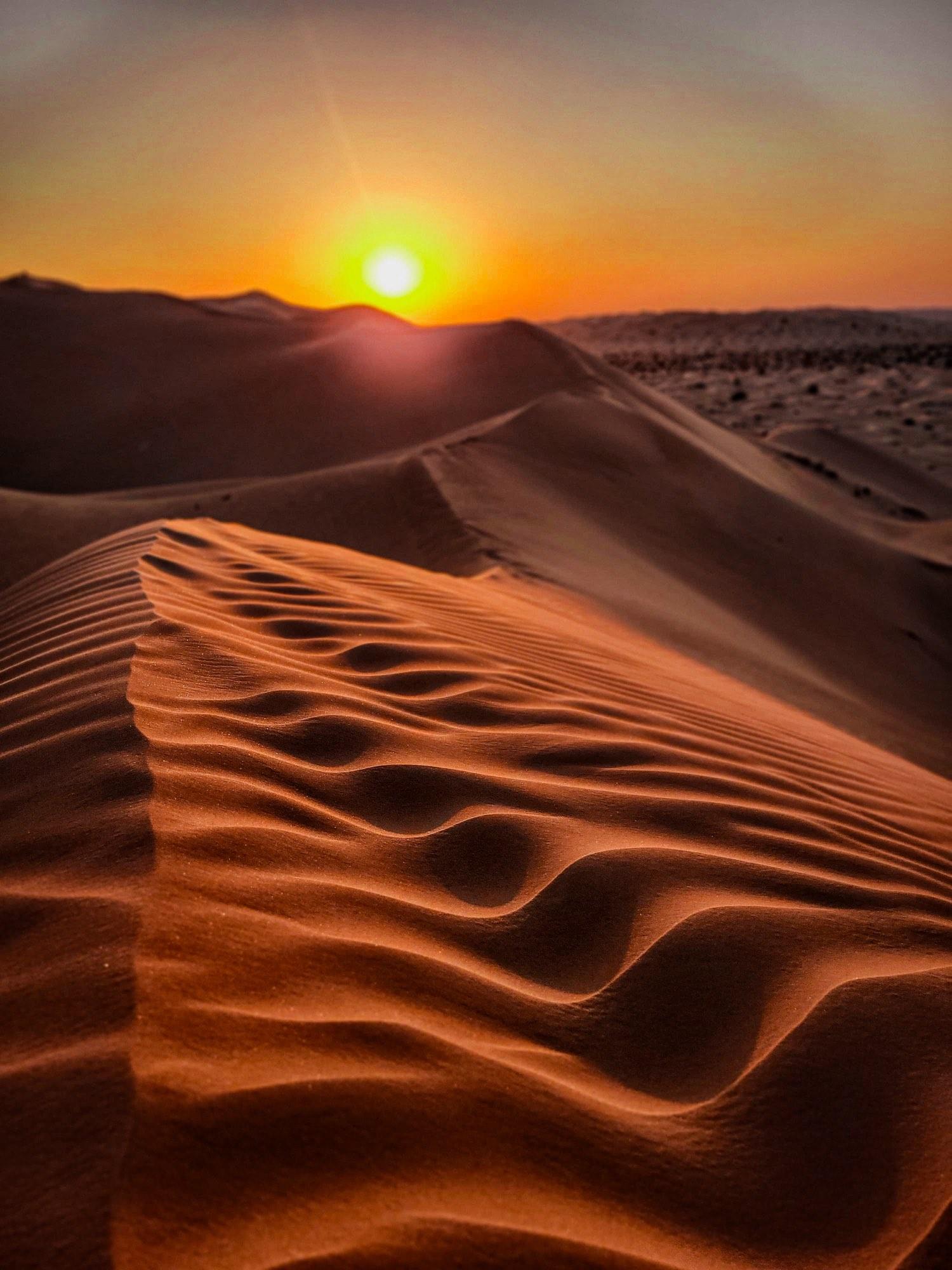
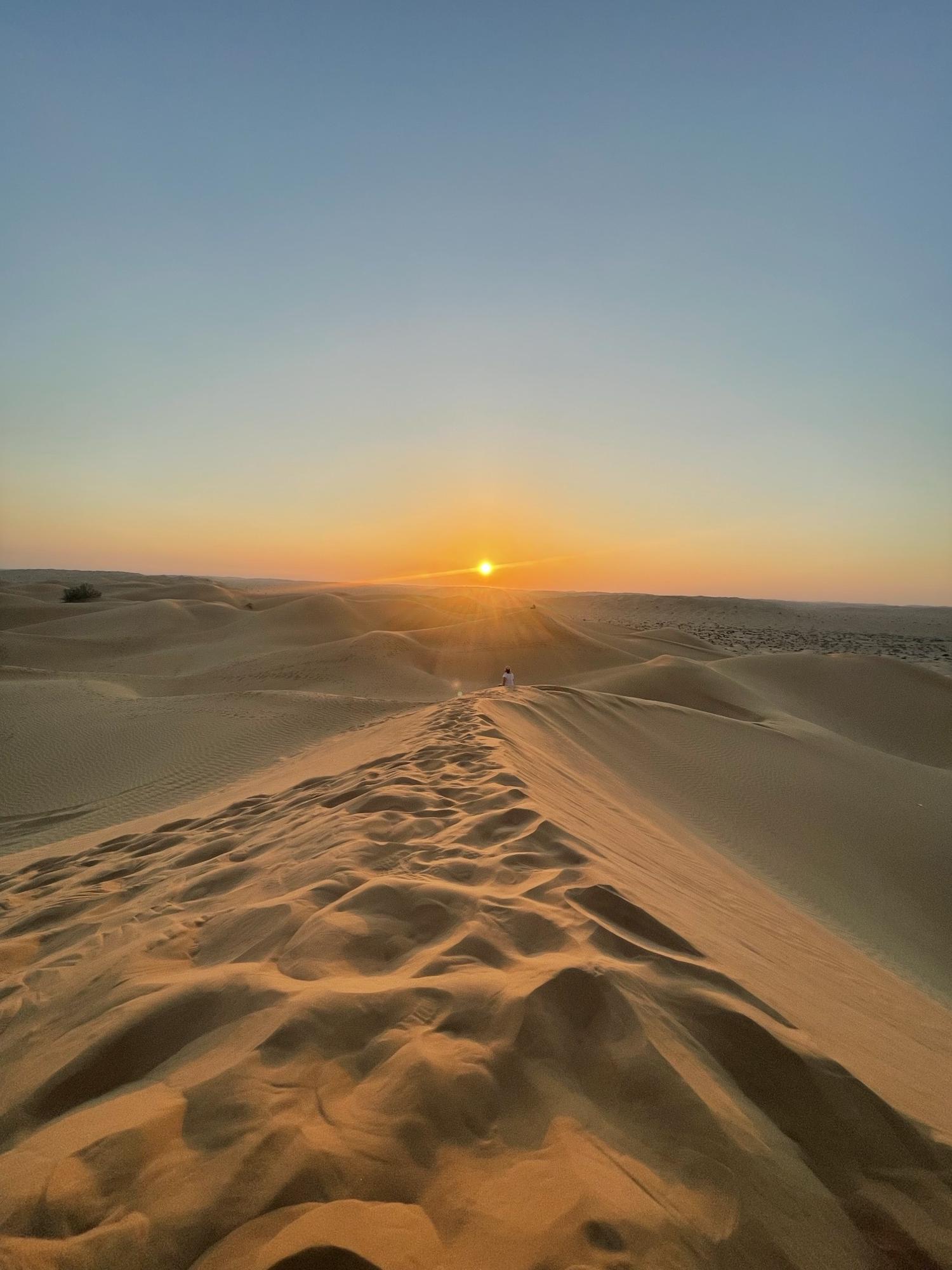
The desert is named after the Al Wahiba, the Bedouin tribe that still lives here. Officially the area has been renamed the Sharqiya Sands, but everyone says Wahiba. The dunes run in long ridges from north to south, change colour with the light, from pale yellow at midday to deep orange at sunset, and are completely silent at night.
What to do in the Wahiba Sands
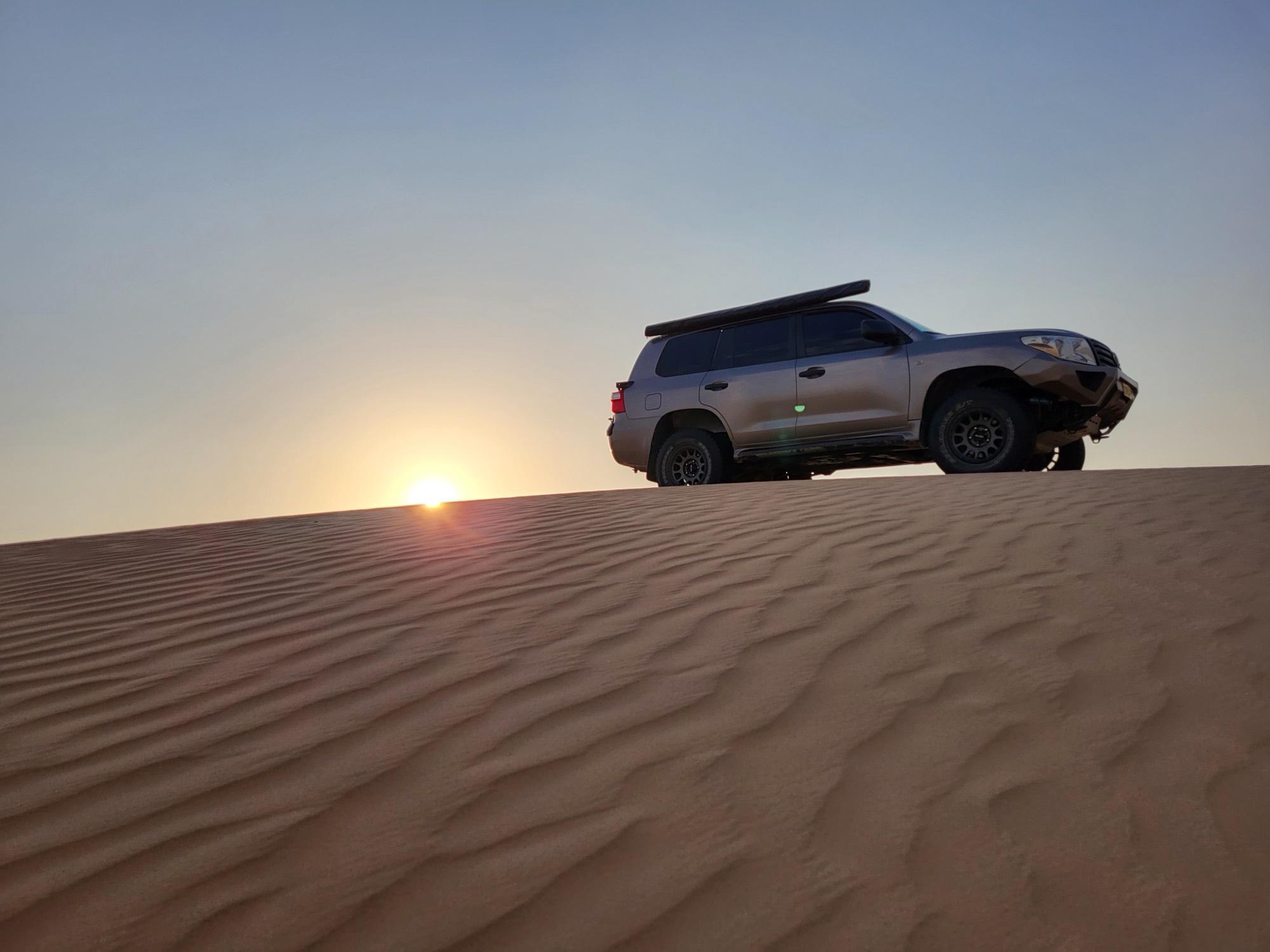
- Sunset from a dune crest: the fixed ritual. Before sunset you drive or climb the highest dune near camp and watch the sand change colour. Bring a jumper for the way back.
- Dune driving: over the ridges with an experienced driver, part roller coaster, part landscape. If you prefer it calmer, ask for a scenic drive instead of dune bashing.
- The night sky: with no light pollution you see the Milky Way with the naked eye. Walk a few hundred metres from camp and wait for your eyes to adjust.
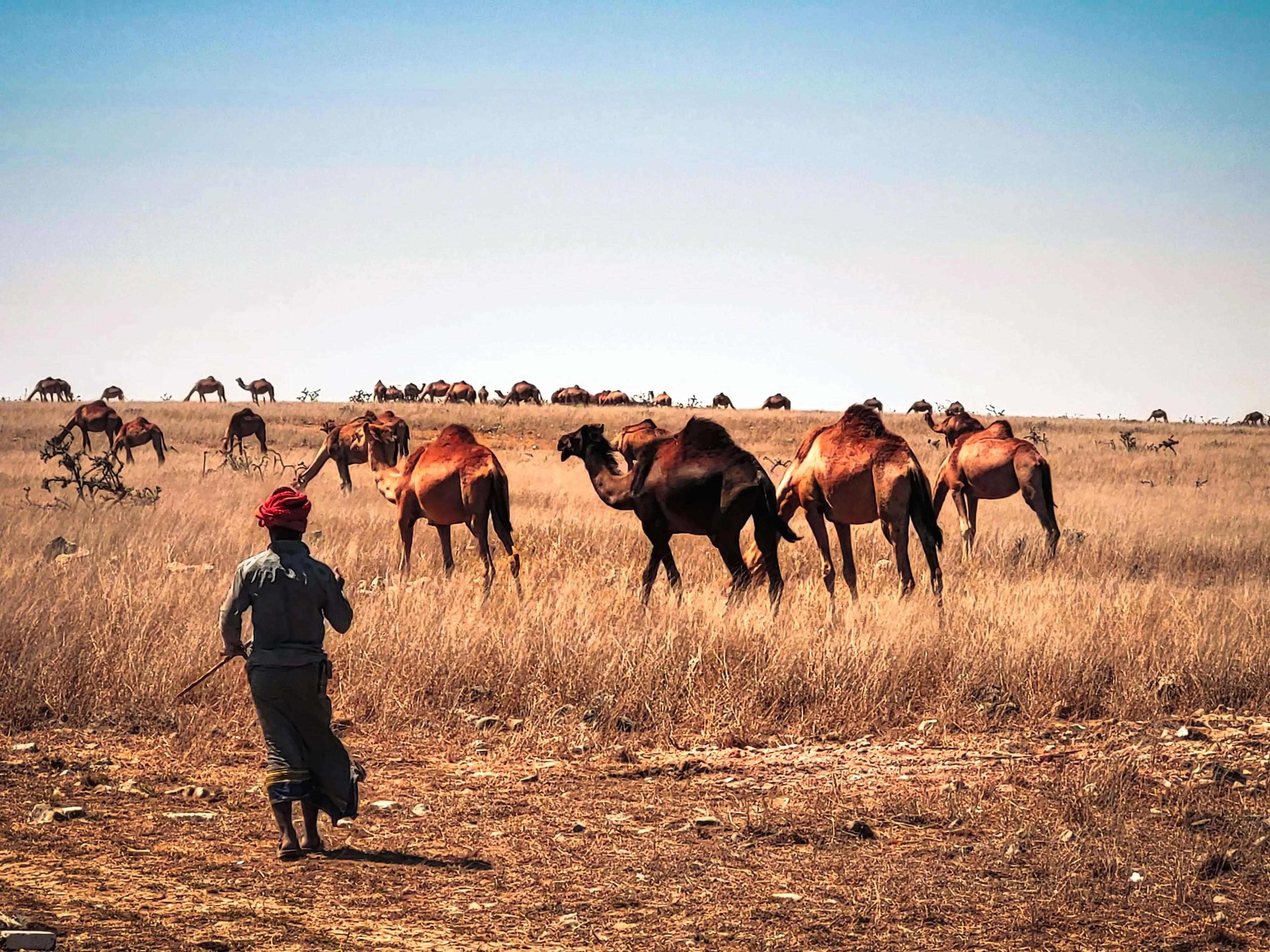
- A camel ride: short, at sunrise or sunset, along the edge of camp. More atmosphere than transport.
- Visiting a Bedouin family: coffee, dates and conversation in a goat-hair tent. With us, arranged through our local partner's contacts rather than as a tourist show.
- Sandboarding: a board, a dune and a few climbs back up. Especially fun for children and teenagers.
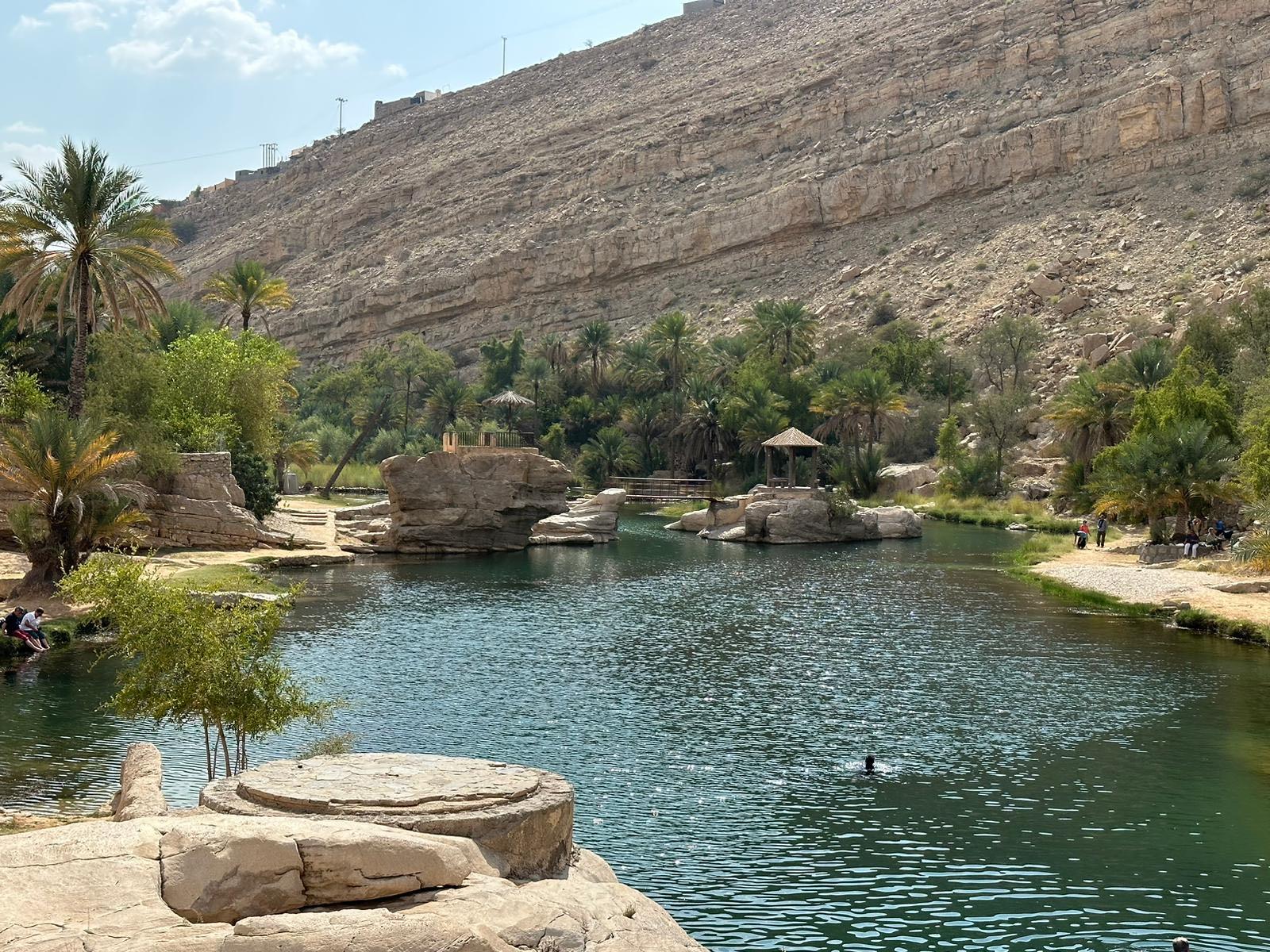
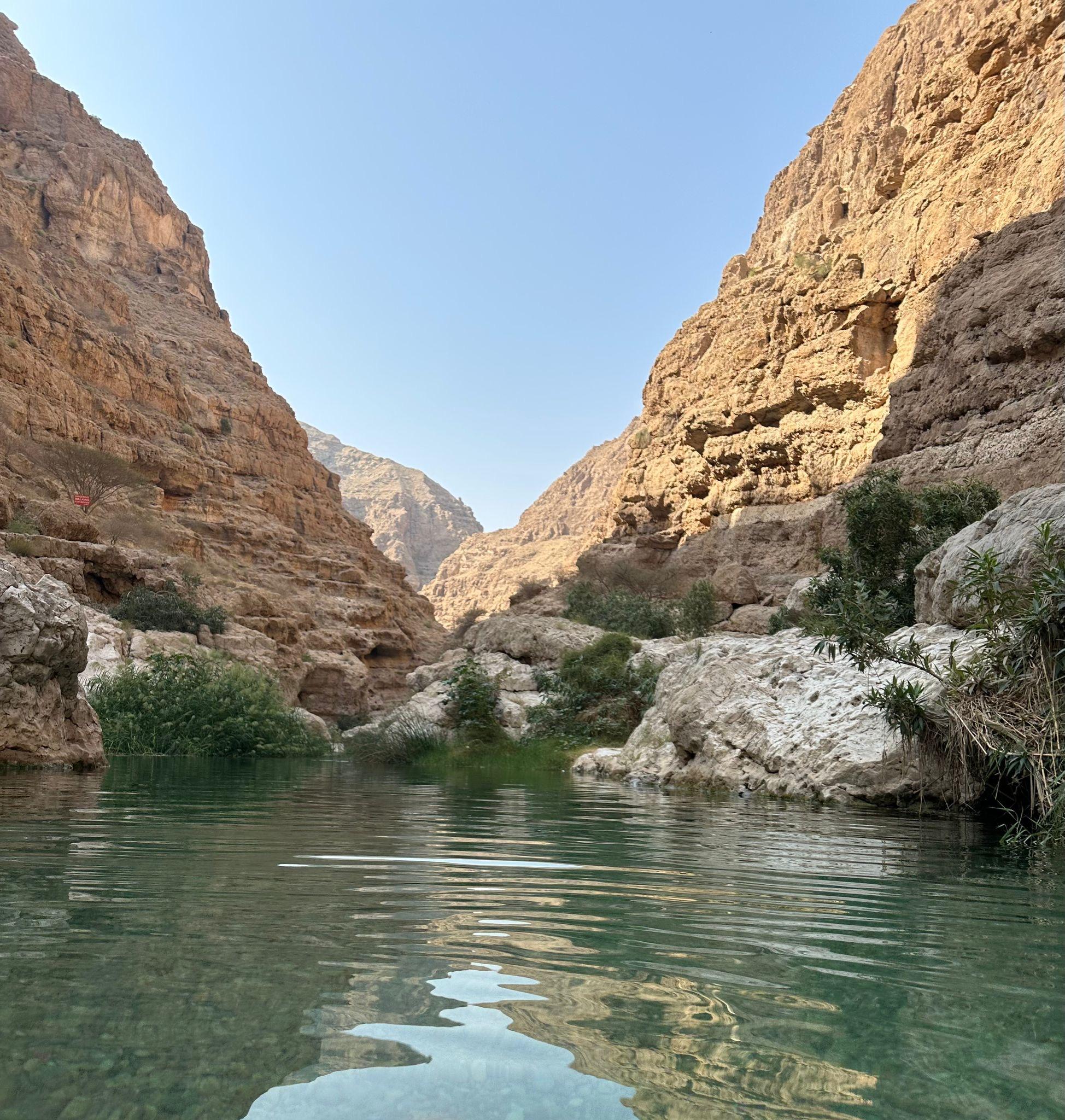
- Wadi Bani Khalid: an hour from the camps lies one of the finest wadis in the country, with turquoise pools among the palms where you can swim. Perfect as a stop on the way to or from the desert.
Practical information
Getting there. From Muscat take Route 23 towards Sur and turn off at Ibra or Al Mintirib for Bidiyah or Al Wasil, about two hours in total. From Sur it is an hour and a half. The tarmac ends at the villages on the edge; after that it is sand.
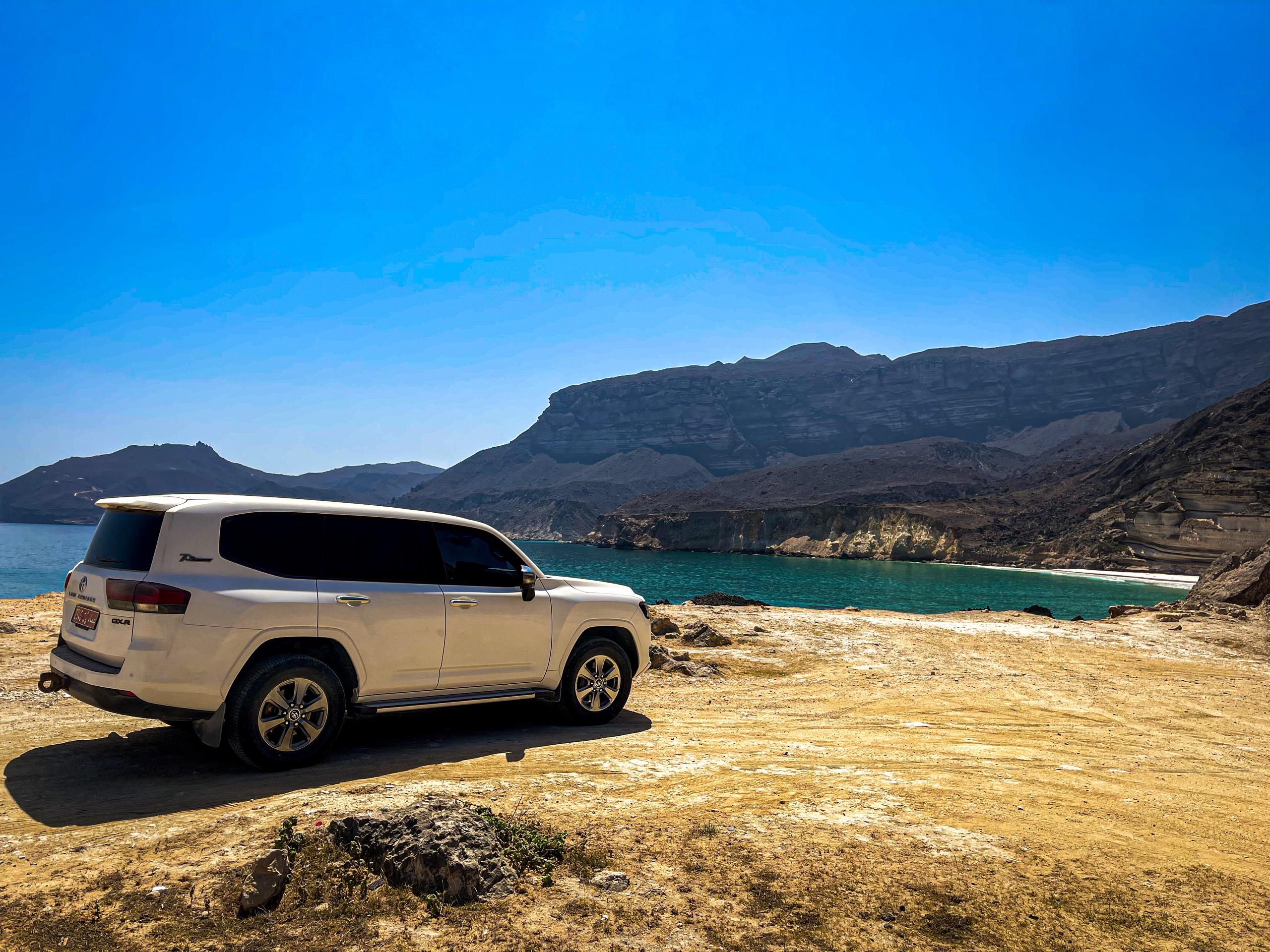
Driving in sand. Only in a 4x4, with tyres at about 15 psi and preferably behind someone who knows the way. Most camps collect guests at the village on the edge, even if you are travelling in a 4x4. We advise against heading into the dunes alone without experience. Rental insurance often excludes damage from driving on sand. More in our guide to car hire and road rules in Oman.
Climate. From October to April it is 25 to 35 degrees by day and cools considerably at night; in December and January it can drop to 10 degrees. Bring a warm layer and a head torch. In summer it is over 45 degrees by day and many camps are closed. More on the best time to visit Oman.
What the camp provides. Dinner and breakfast, water, a campfire, usually a short camel ride and a dune drive at sunset. Wi-Fi sometimes, mobile signal almost always, power from solar panels or a generator that goes off at night.
Combine with. Wadi Bani Khalid on the way in, Sur and the turtle beach at Ras al Jinz on the coast, or Nizwa and the mountains via the road past Ibra.