Sustainable travel in Oman: how to explore the country with care
By Lars Janssen · Oman travel specialist ·
Oman has no boulevards lined with resorts and no rows of tour buses outside every sight. Travel here and you soon notice: sustainable travel is not a buzzword in Oman, it fits how the country sees itself. Still, you as a traveller make the difference, through the choices you make along the way.
Why Oman lends itself to sustainable travel
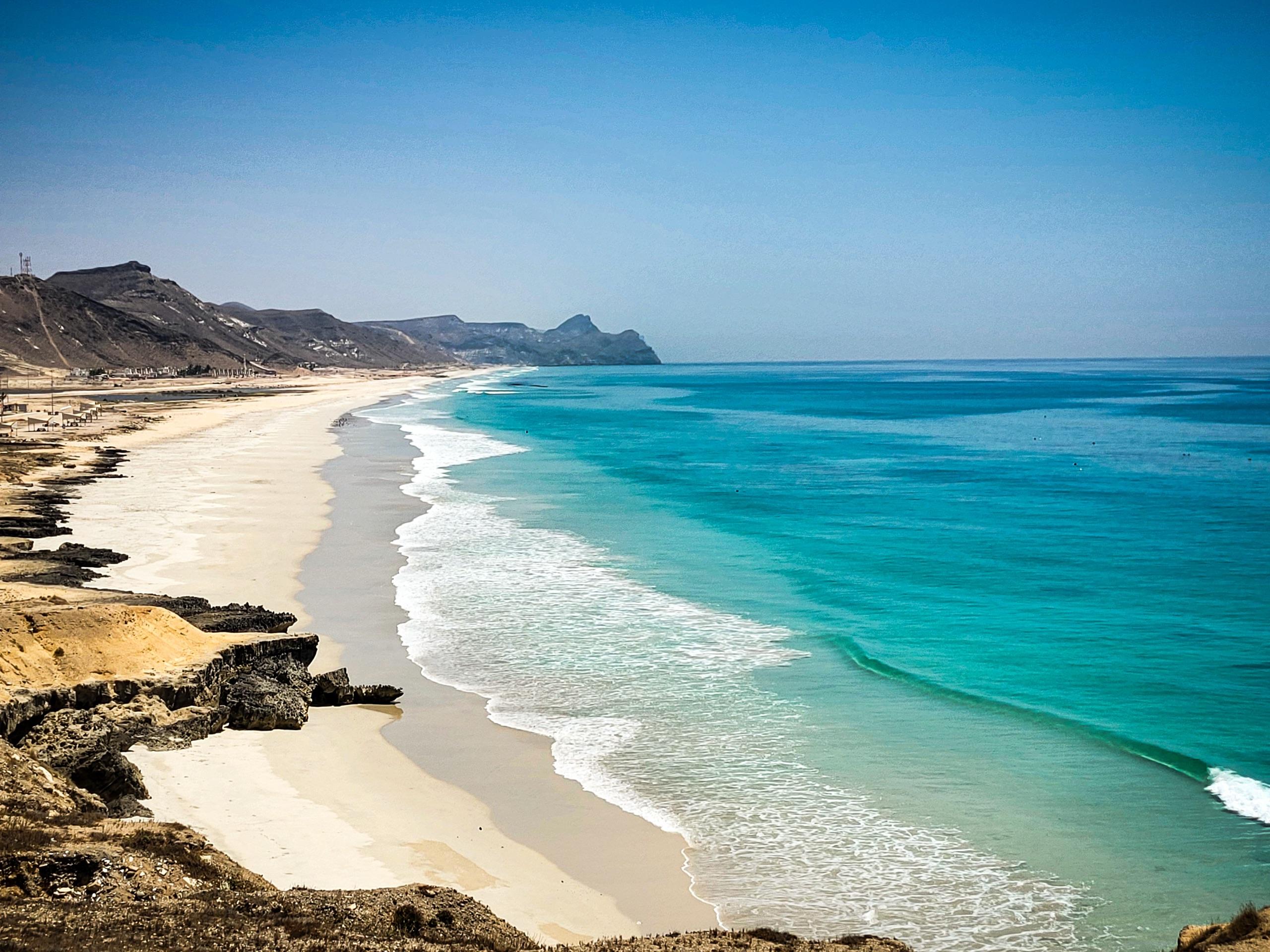
Oman deliberately chooses quality over quantity. That course is even set out officially in Oman Vision 2040: less dependence on oil, more room for nature, heritage and small-scale tourism. For you, that means quiet wadis, empty dunes and encounters that are not staged. Which is exactly why it is worth keeping it that way.
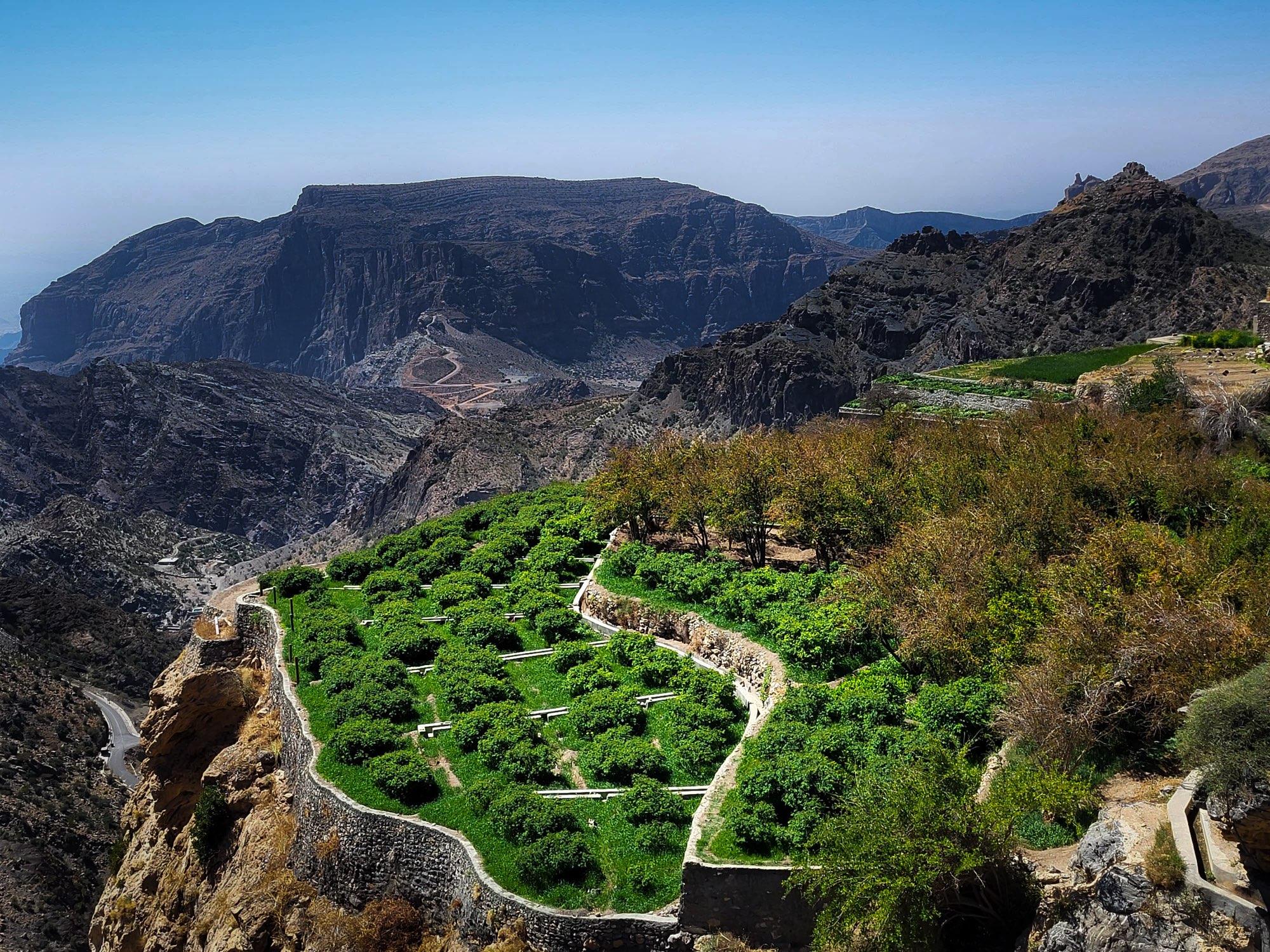
Travel with people who live there
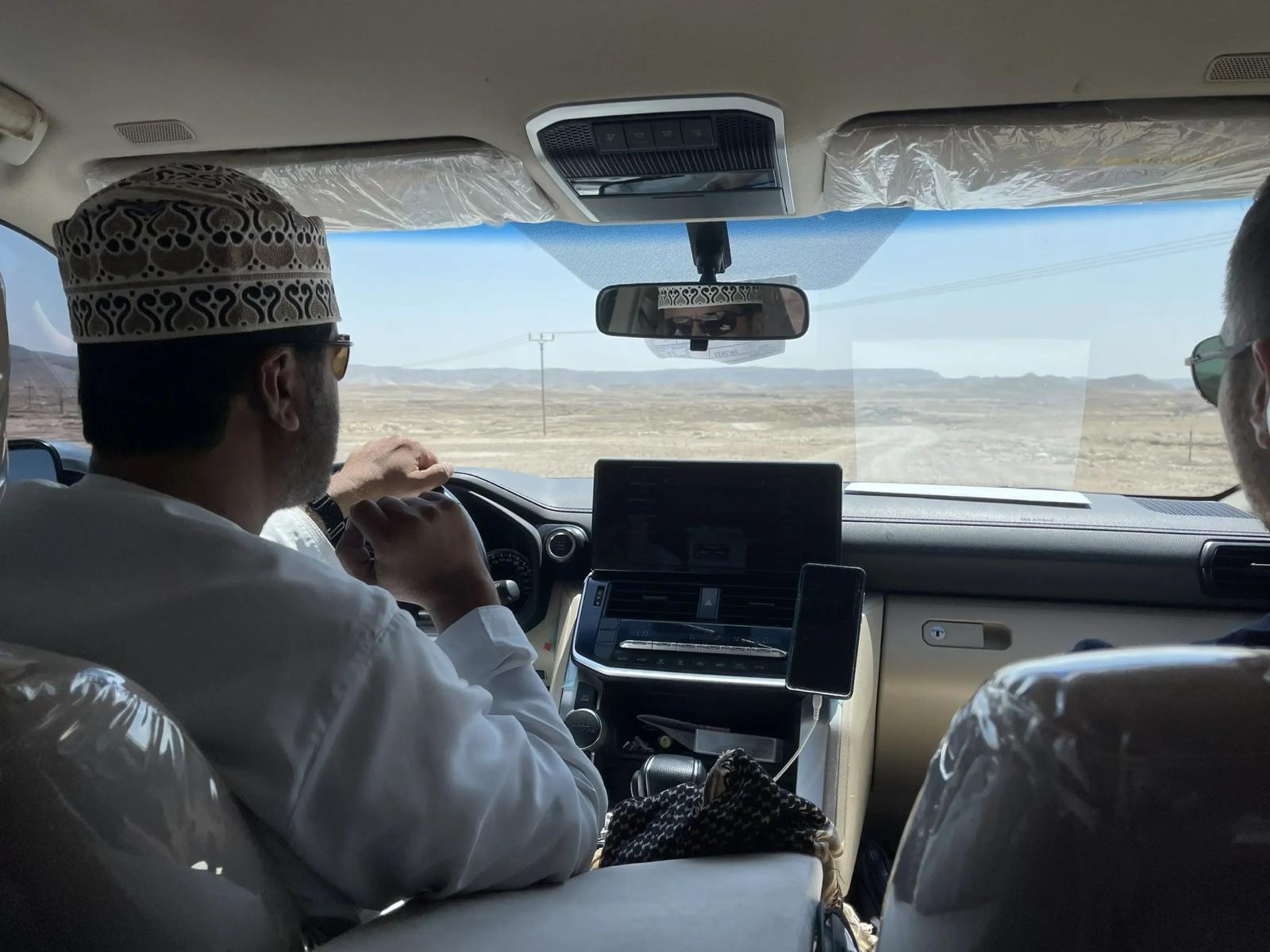
Perhaps the most sustainable choice you can make is this: who earns from your trip? Omani guides and drivers know every track, know when the turtles come ashore and tell stories you will not find in any guidebook. And your money stays in the region.
We travel through Oman regularly ourselves and have worked with a trusted local partner there for years. On the ground, our tours are carried by Omani guides, drivers and camp owners. That makes the journey not only fairer but also richer: you experience the country from the inside.
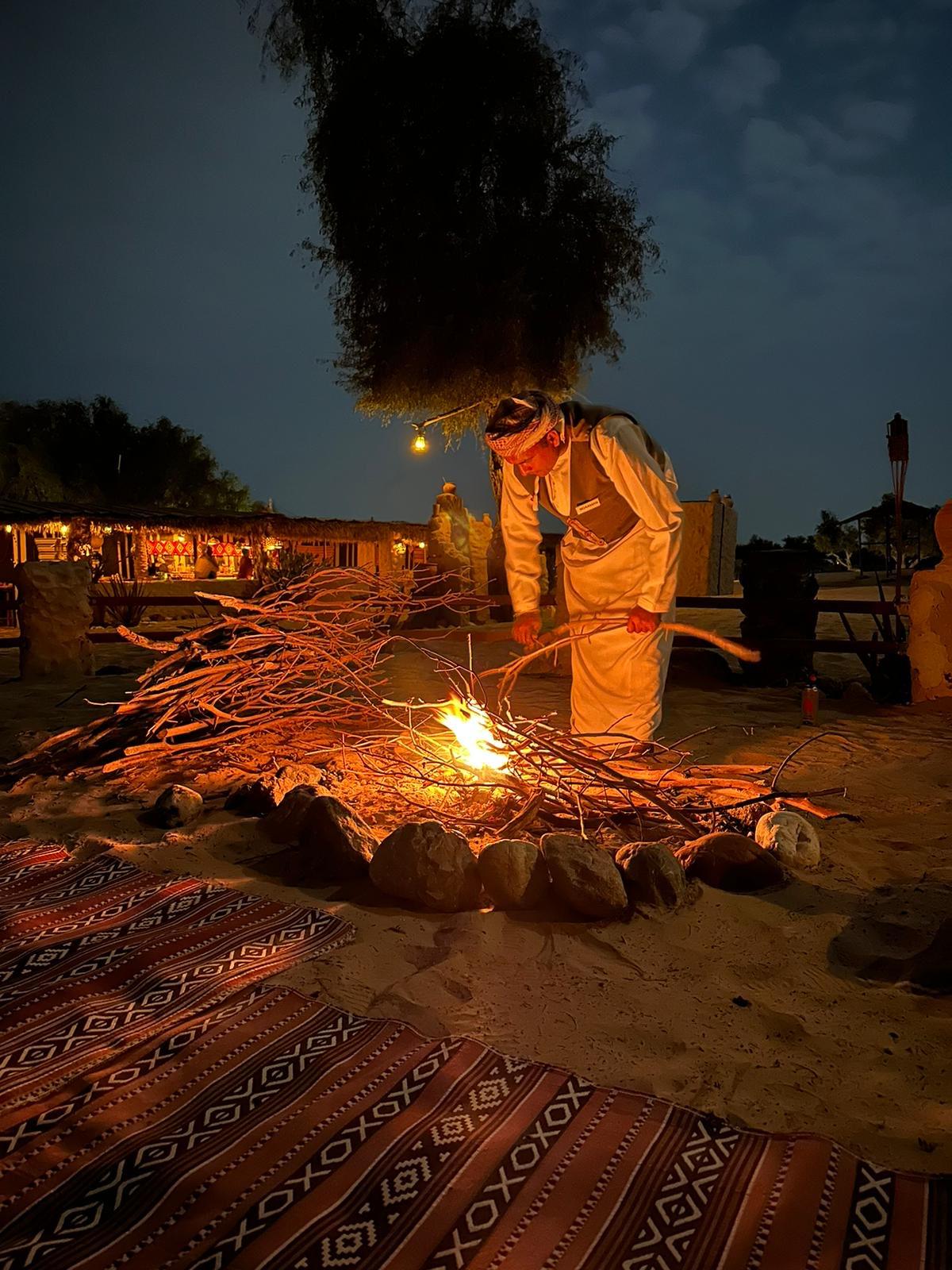
Choose small-scale accommodation
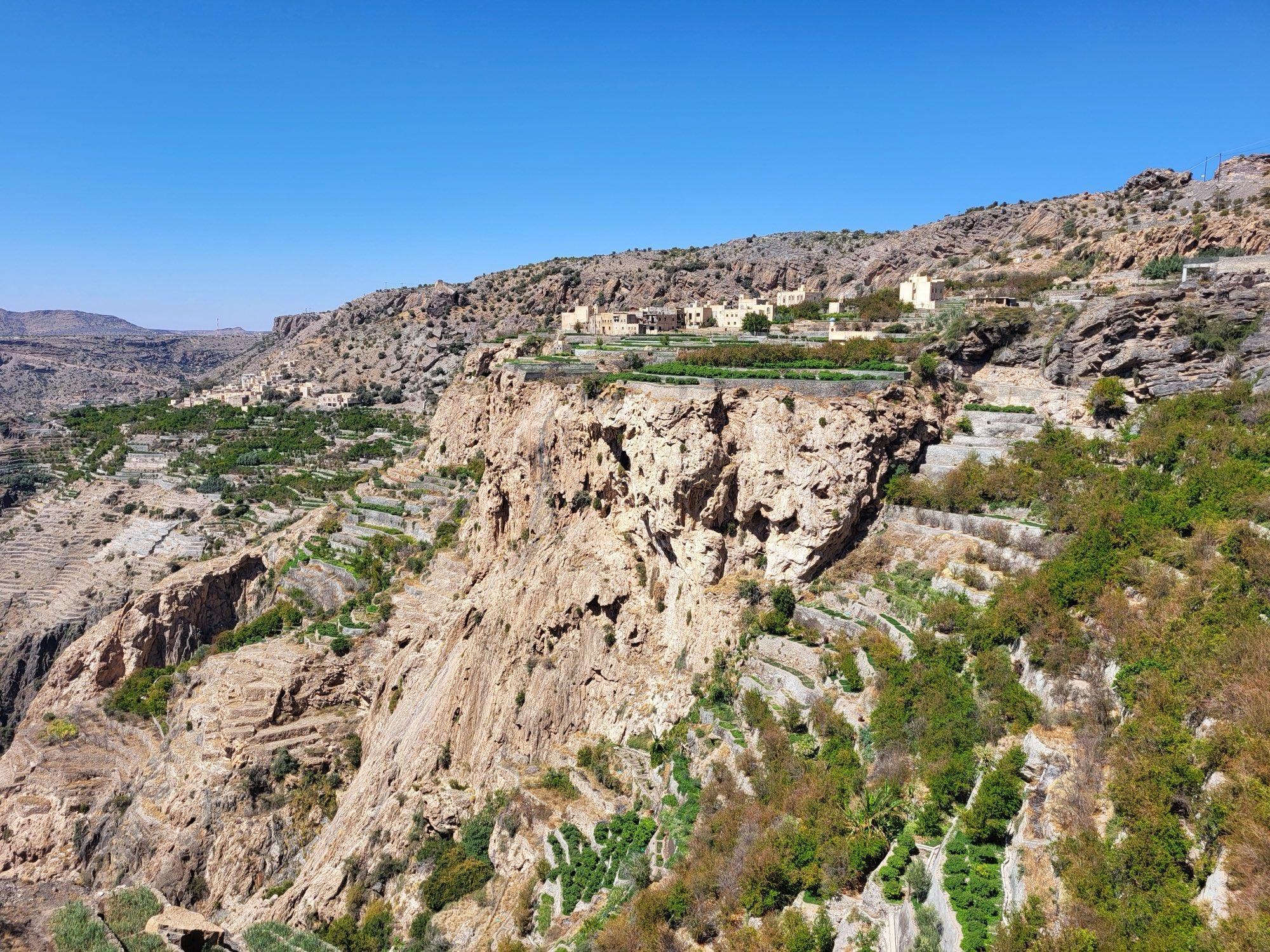
Skip the international chain for once. In mountain villages like Misfat al Abriyeen you sleep in guesthouses set in centuries-old mudbrick homes, run by families from the village. In the Wahiba Sands, pick a desert camp run by a Bedouin family rather than a large tourist camp. The lines are shorter, the earnings fairer, and the stories over dinner are better.
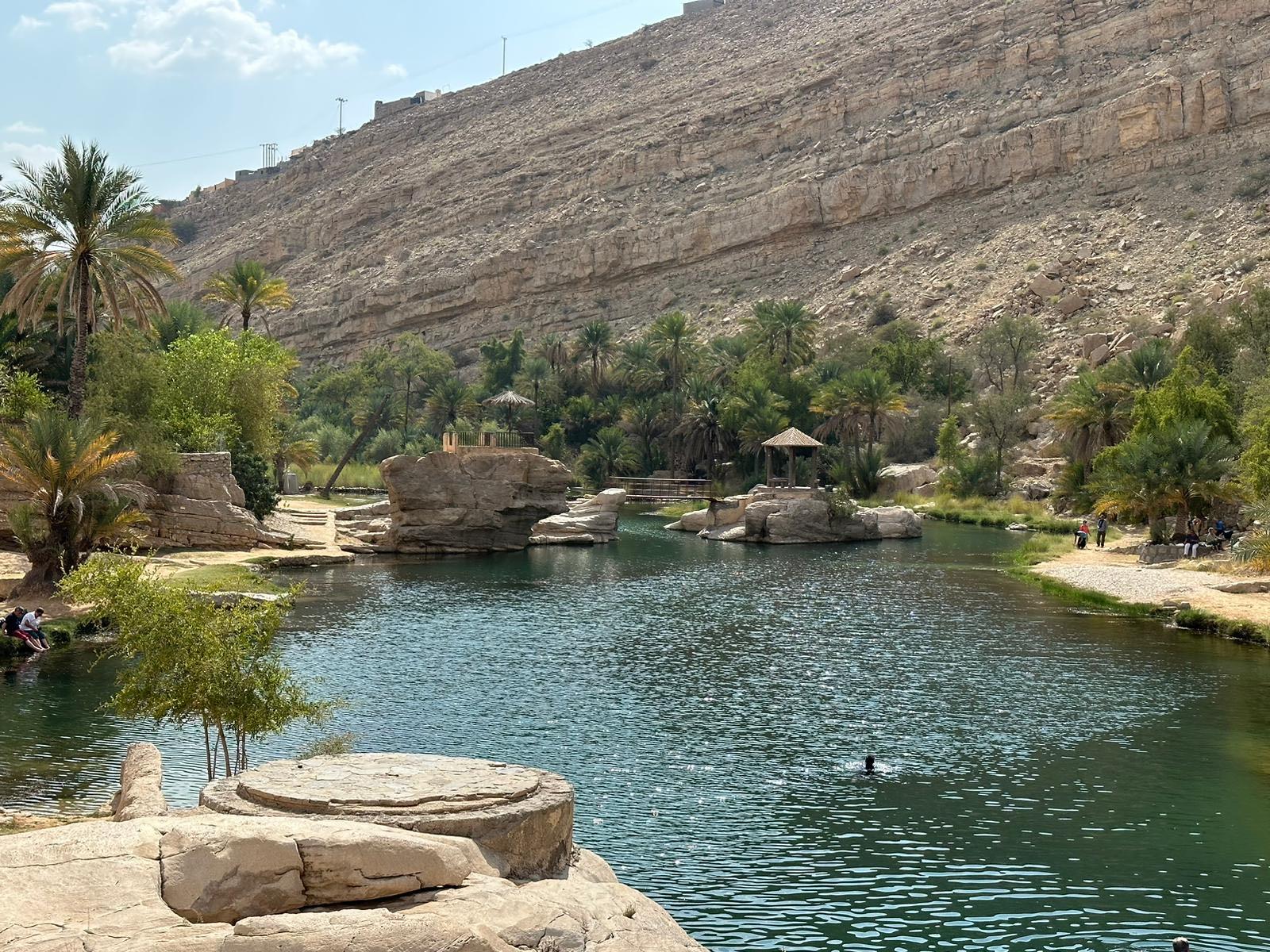
Take care of the wadis, the desert and the sea
Nature is Oman's greatest treasure, and it is fragile:
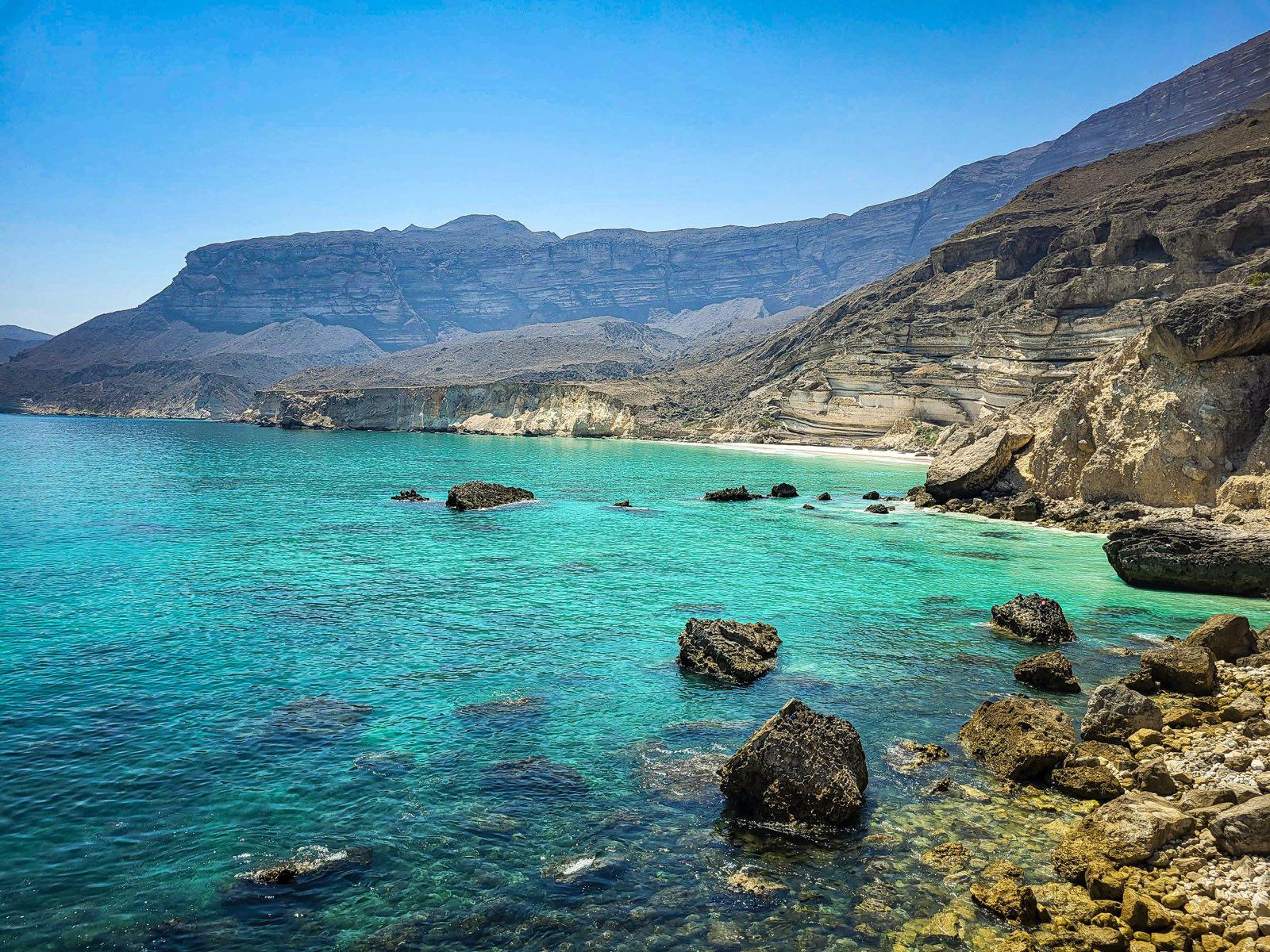
- In the wadis: you swim in crystal-clear water, for example in Wadi Shab. Apply sunscreen well in advance or wear a UV shirt, so no residue ends up in the water. Take all your rubbish back with you.
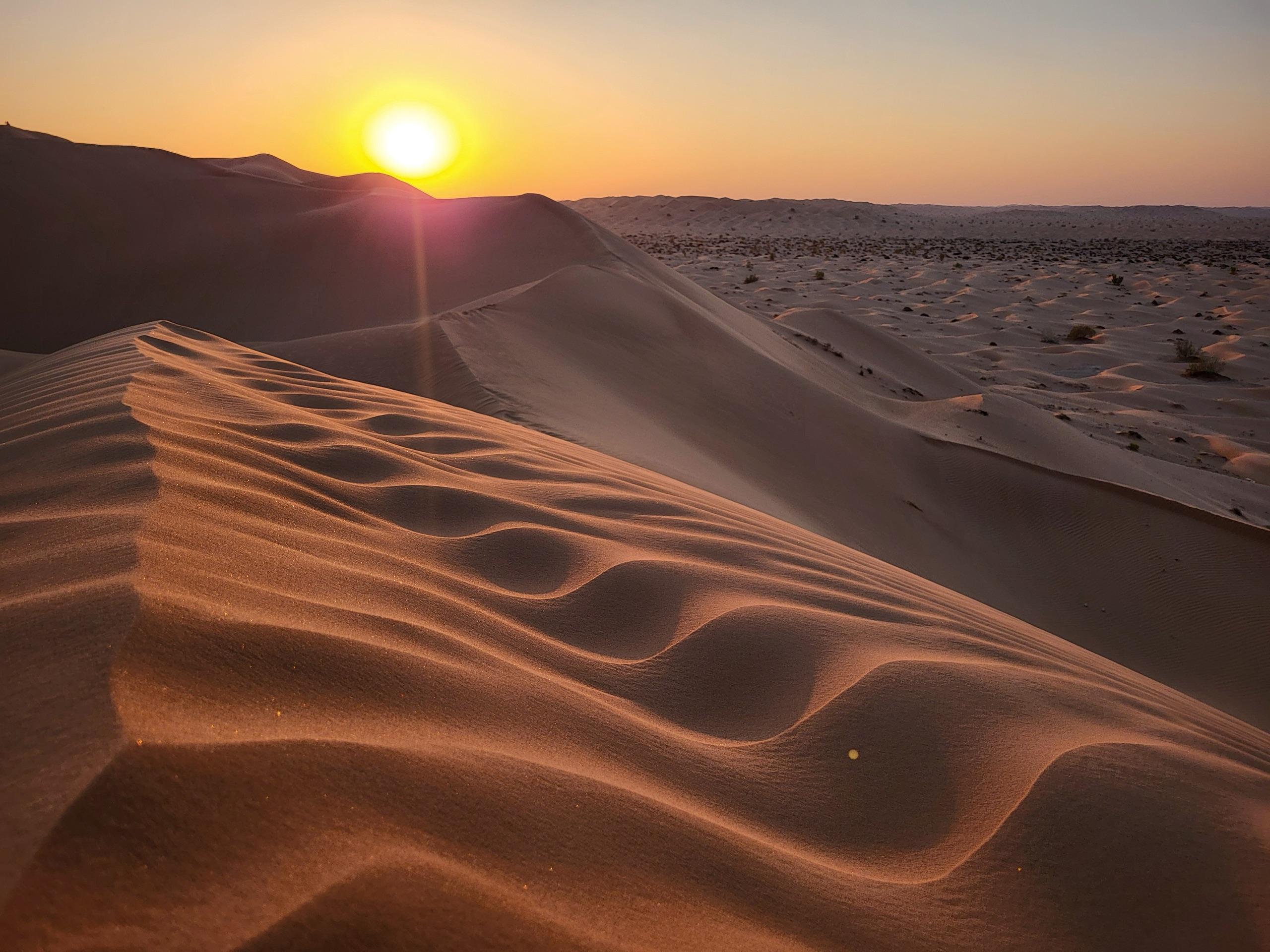
- In the desert: drive with experienced local drivers on existing tracks. The dunes look endless, but the desert ecosystem recovers slowly.
- At sea: visit the sea turtles of Ras al Jinz only through the official reserve, with a guide, at a distance and without flash. Snorkelling at the Daymaniyat Islands? Do not touch the coral and choose a licensed operator.
Respect for culture and traditions
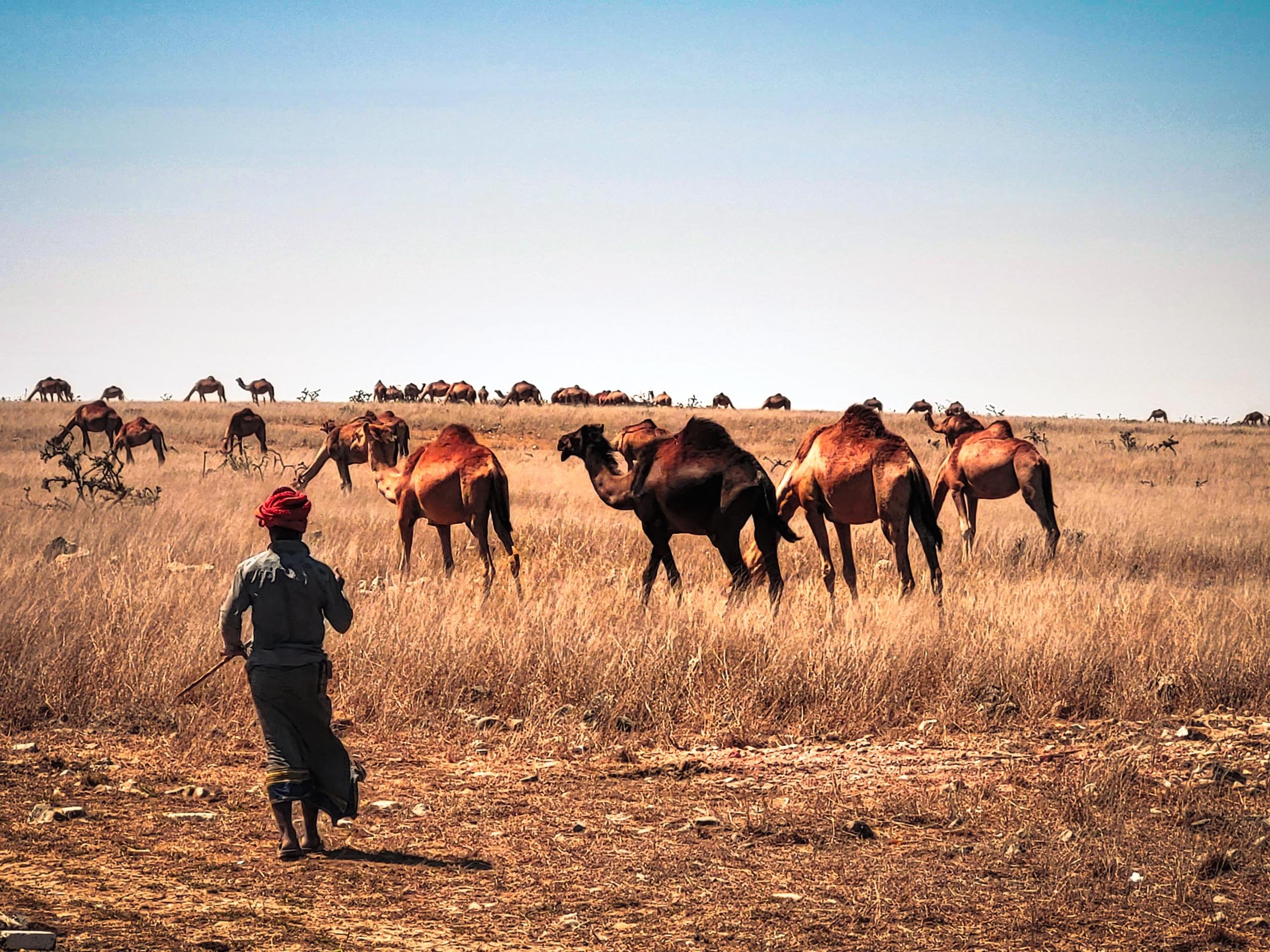
Sustainable travel is also about people. Dress modestly outside your hotel and the beach, ask before photographing someone, and take your time when you are invited for coffee and dates: hospitality is a matter of honour here. Buy your souvenirs locally, think silverwork and pottery at the Nizwa souq, Omani halwa or frankincense from Salalah.
Practical tips for a sustainable trip through Oman
- Water is scarce: drinking water largely comes from desalination plants. Keep showers short, reuse your towels and bring a refillable bottle.
- Travel slower: choose one longer trip with more time per place instead of several short ones. Oman rewards those who take their time.
- Travel in season, but spread out: October to April is the best time to visit. Outside the Christmas holidays it is quieter, even at the most beautiful spots.
- Leave places as you found them: from the dunes to the terraced fields in the mountains.
Curious what such a trip looks like? Together with our local partner, our specialists put together a tailor-made tour, with small camps and local guides as the natural starting point.